


















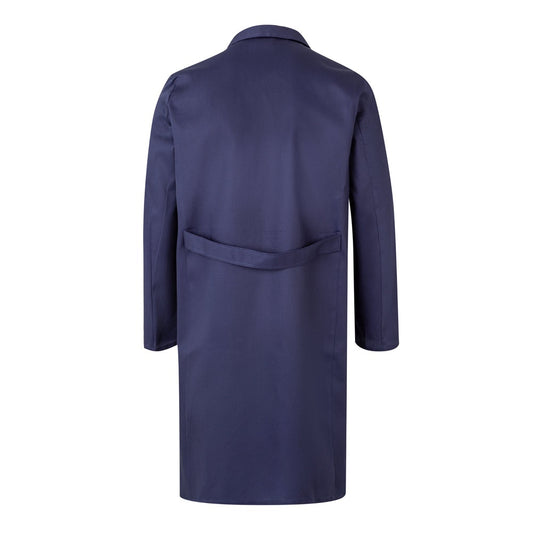







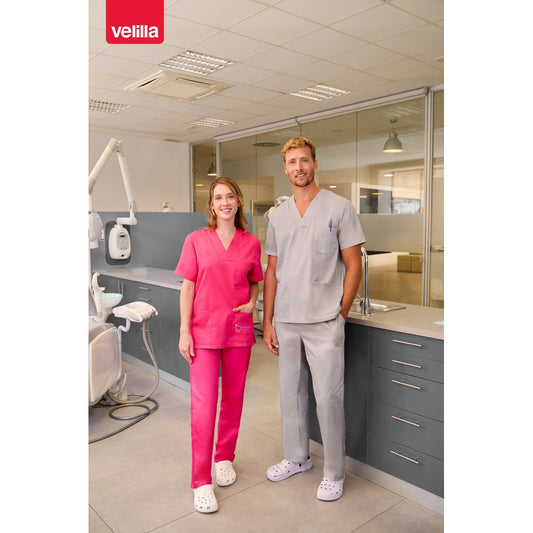

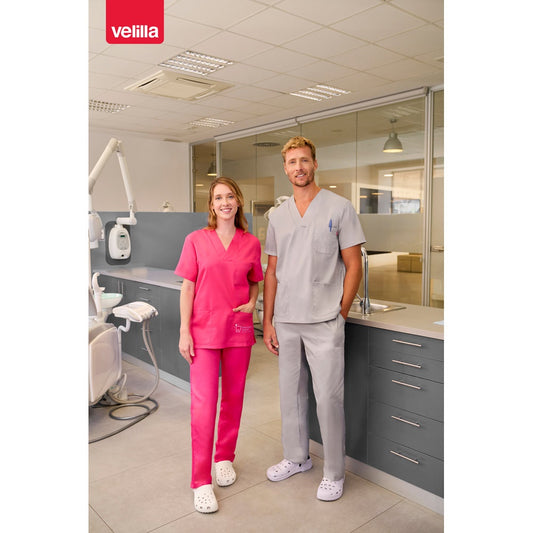

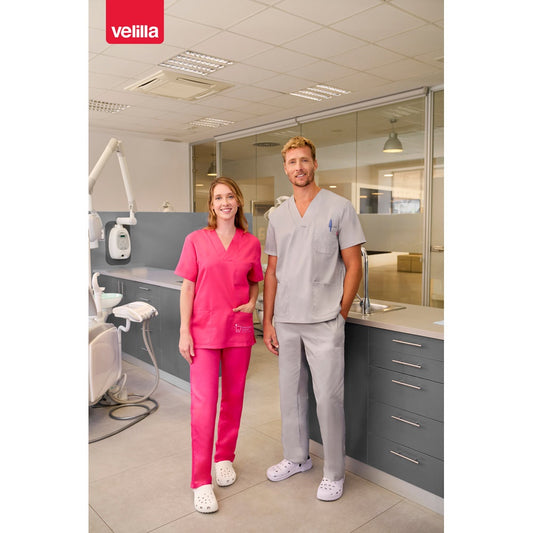








JIMMY
Work overalls with a two-way zip.
 Example: JIMMY - Unisex work overalls
Custom Workwear & Safety Wear
Sites, warehouses and workshops are the hardest test in corporate clothing, so we start there: reinforced polycotton, industrial wash friendly branding and hi-vis with EN ISO 20471 classes available. We supply custom workwear and safety wear across Europe that still looks like your company in month eleven.
Seen at noon.


Workwear and safety
Everything your crew wears at work, from hi-vis to safety boots, led by ROLY WRK. Tap a stop on the site map to jump straight there.
460 products in this collection
The professional line from ROLY, one of Spain's most established clothing brands: certified where it counts, built for daily wear and the wash.
01/05Workwear and safety
Pick an industry and watch the crew get kitted out in ROLY WRK: professional workwear with no minimum order.
The kit for this shift
Construction: 23.0% of fatal accidents at work in the EU.
Source: Eurostat, accidents at work in the EU (2024; causes 2023).
Work overalls with a two-way zip.
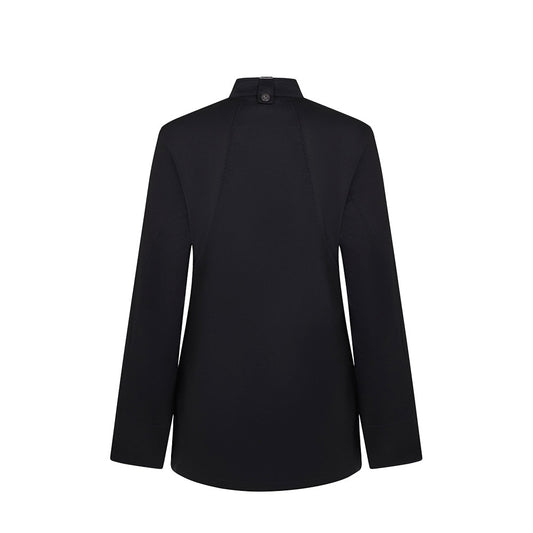
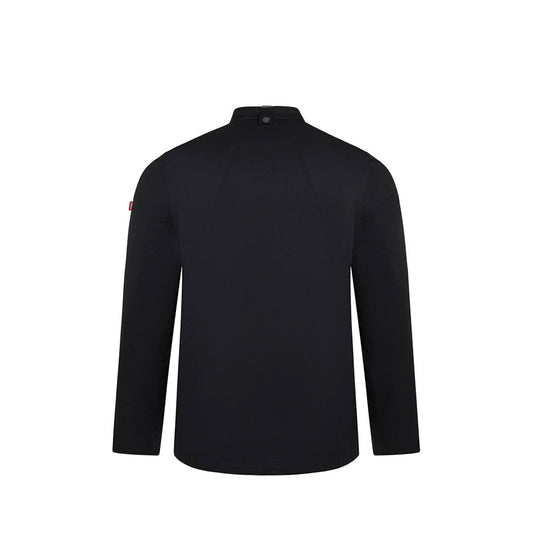
Example: JIMMY - Unisex work overallsChef jacket with a breathable back.
 Example: DABIZ - Unisex jacket
Bib apron in GRS recycled fabric.
 Example: BOST - Unisex apron
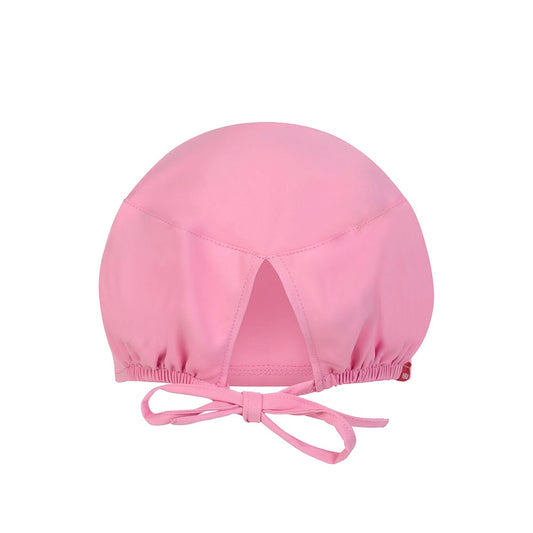
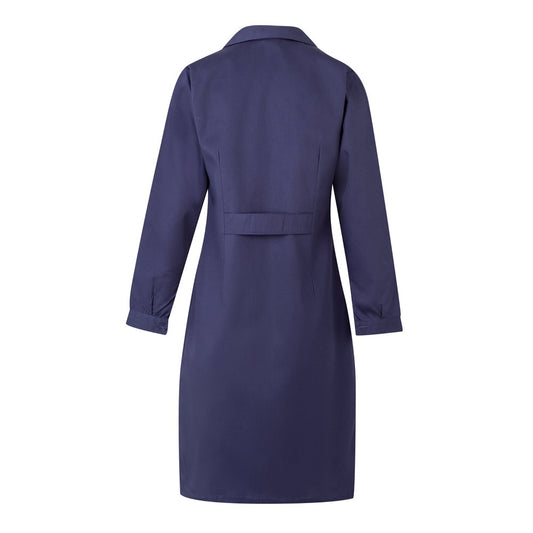
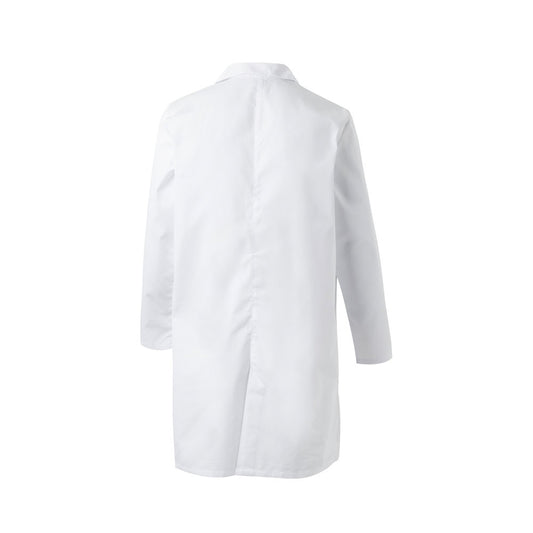
Lab coat for labs, beauty and food.
 Example: VACCINE WOMAN - Women's lab coat
Tell us the quantity, the date and where it is going. Catalogue items usually ship 7 to 14 working days after artwork approval, to all 33 European markets. Quotes from 1 unit.
02/05Hi-vis
Fluorescent fabric works by day, retroreflective tape works in the headlights. Turn day into night, change the kit and watch a car come round the bend.
Class 2 needs at least 0.50 m² fluorescent and 0.13 m² retroreflective. POLUX is a Class 2 vest.
Fluorescent fabric, for daylight
Retroreflective tape, for the dark
Minimum for this class
Drag the logo across this example Class 2 vest, with 0.53 m² of fluorescent fabric, and change its size.
Fluorescent fabric left0.51m²
Still Class 2.
Tip: on a two-tone garment, a logo on the navy part leaves the fluorescent area untouched.
A logo on fluorescent fabric is left out of the area count, unless the logo material itself meets EN ISO 20471. Tell us the class you need and we place the logo to keep it.
Softshell, Class 2, navy and fluorescent orange.
 Example: ANTARES - Men's high-visibility softshell jacket
Vest, Class 2, with an ID card pocket.
 Example: POLUX - Unisex vest
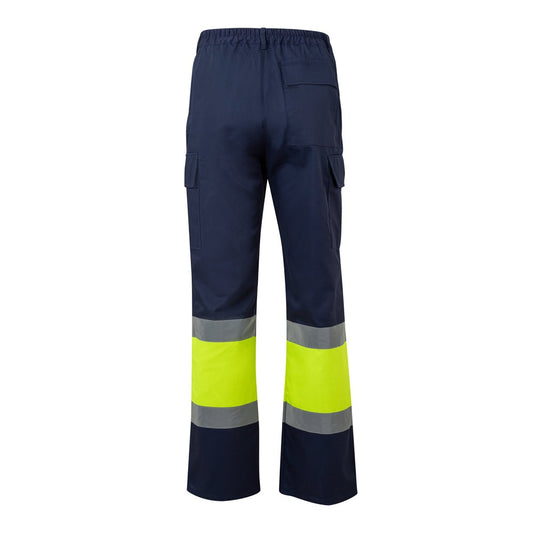
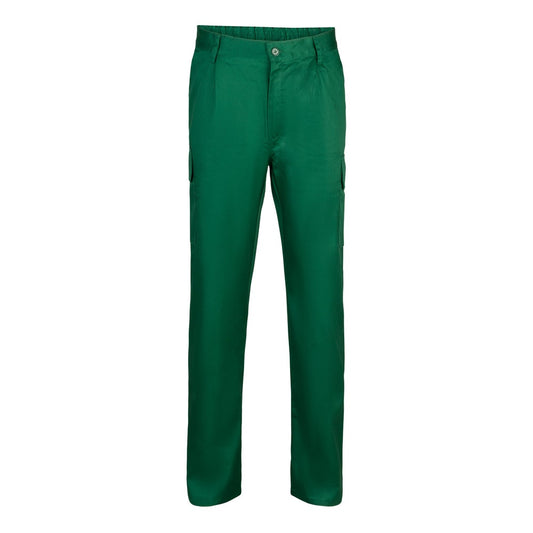
Work trousers, Class 1, with two cargo pockets.
 Example: NAOS - Men's high-visibility trousers
Piqué polo with reflective strips, EN 17353 B3.
 Example: FORAN - Unisex high-visibility polo shirt
Tell us the quantity, the date and where it is going. Catalogue items usually ship 7 to 14 working days after artwork approval, to all 33 European markets. Quotes from 1 unit.
03/05Work clothing
Every pocket on a pair of work trousers has a job. Stow the tools, switch the model, then dress the crew in matching ROLY WRK colours.
Stretch fabric, 90% polyester and 10% elastane, 260 g/m². Kneepad pockets, triple stitching, sizes 36 to 60.
Why kneepad pockets matter: under EN 14404, a Type 2 knee pad and the trousers it sits in are certified together.
T-shirt, sweatshirt, fleece, vest, trousers and shorts, all in the same four colourways.
TERRANO fleece, ARMADA vest and TROOPER trousers.
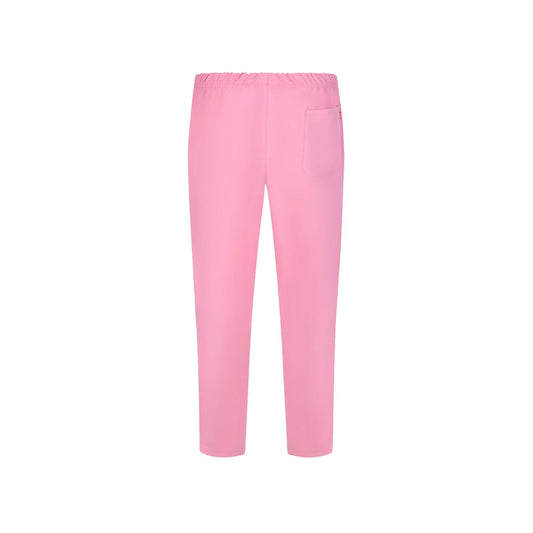
Stretch trousers with kneepad pockets.
 Example: WALL - Unisex trousers
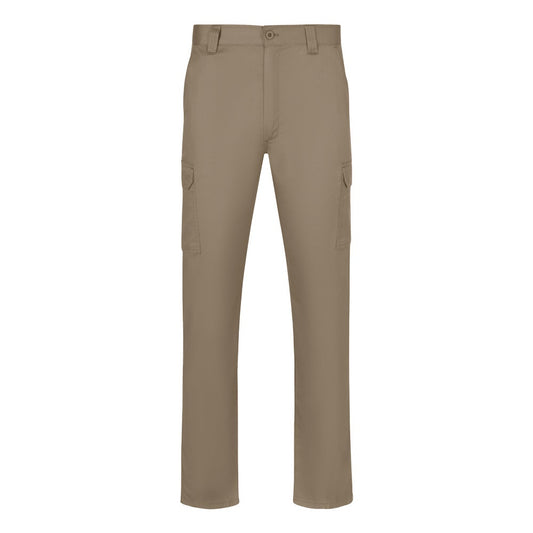
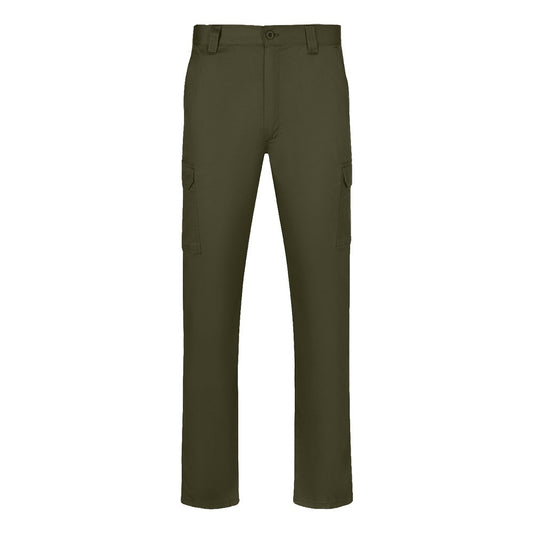
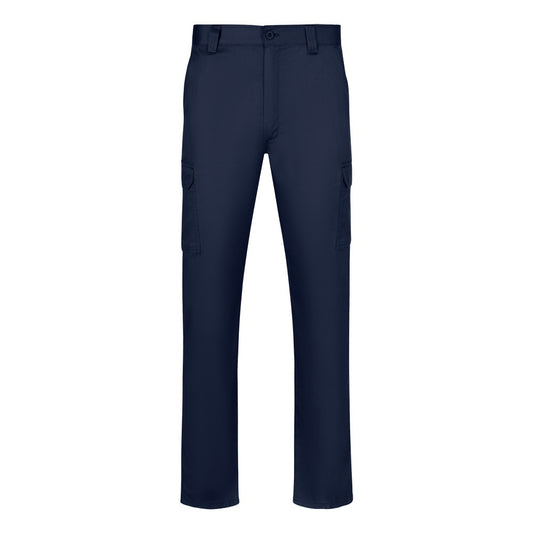
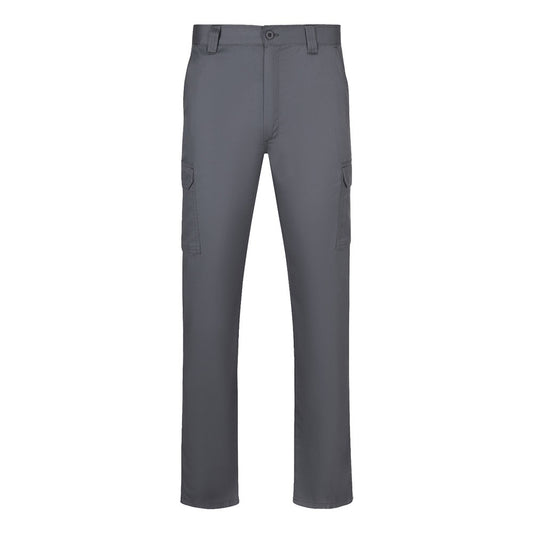
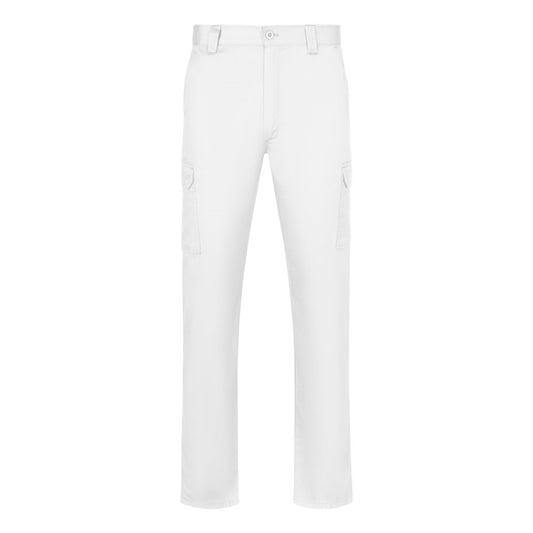
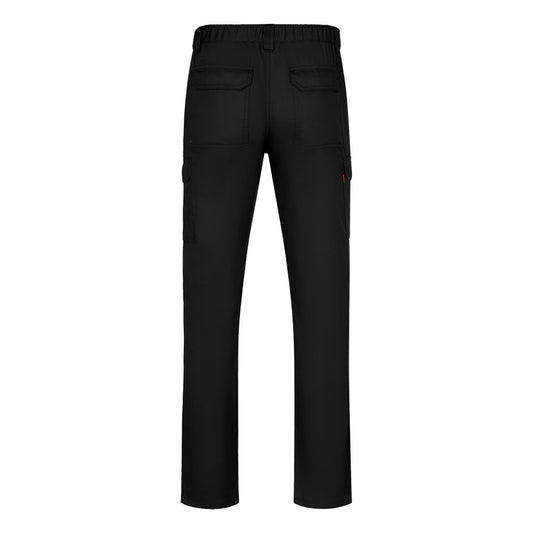
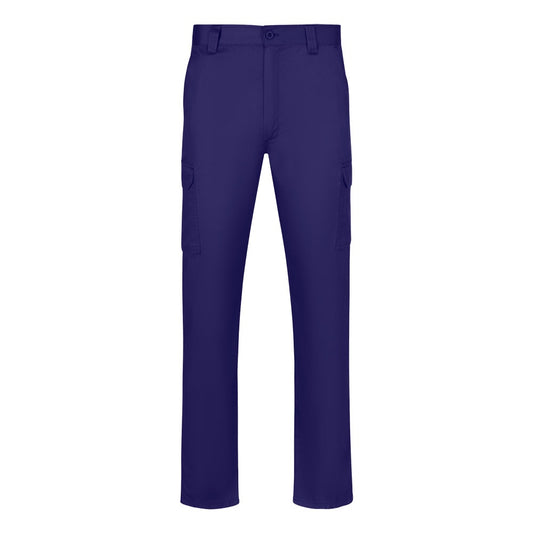
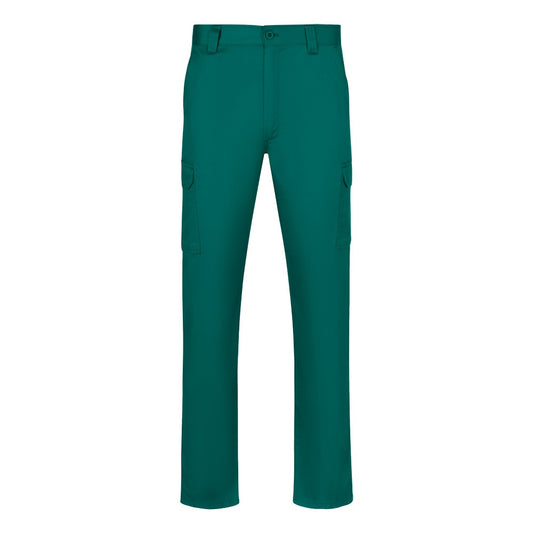
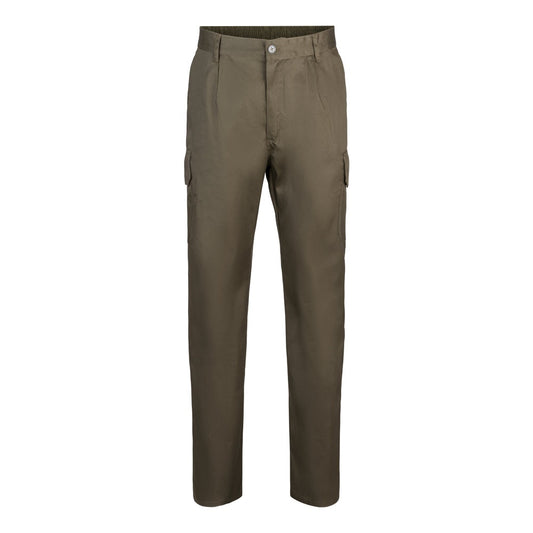
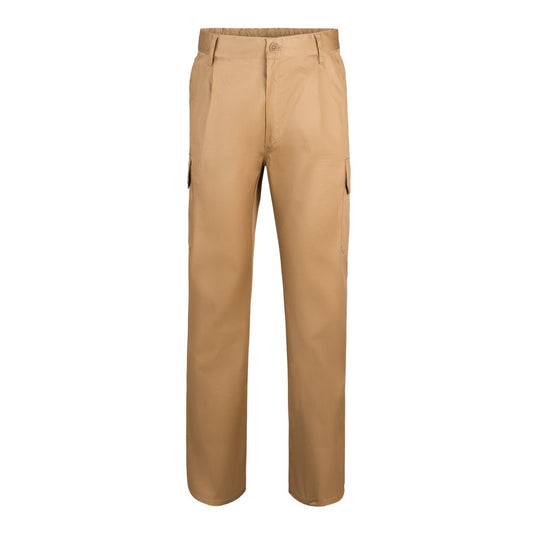
Cargo trousers in four colourways.
 Example: TROOPER - Unisex trousers
Multi-pocket vest with a quilted lining.
 Example: ARMADA - Men's vest
Microfleece with contrast shoulders.
 Example: TERRANO - Unisex fleece jacket
Tell us the quantity, the date and where it is going. Catalogue items usually ship 7 to 14 working days after artwork approval, to all 33 European markets. Quotes from 1 unit.
04/05Safety footwear
Every letter on a safety shoe is a test it passed. Pick a ROLY WRK shoe, take it apart and see what each one protects.
Tap a letter to see what it means.
Where it sits
EN ISO 20345:2022 replaced the 2011 edition as the harmonised standard in November 2024.
A 20 kg striker falls about 1 m: 200 J on the toe cap. Then 15 kN, about 1.5 tonnes, squeezes it.
0J
Passed
Boots, S3S FO SR ESD.
 Example: GISKAN - Unisex work boots
Leather and mesh boots, S3S.
 Example: IRON - Unisex work boots
Knit shoe with a membrane lining, S3S.
 Example: GARNET - Unisex work shoes
White shoe for kitchens and care, S2.
 Example: SALT - Unisex work shoes
Light, breathable shoe, S1PS.
 Example: ONYX - Unisex work shoes
Tell us the quantity, the date and where it is going. Catalogue items usually ship 7 to 14 working days after artwork approval, to all 33 European markets. Quotes from 1 unit.
05/05Specialist protection
Some jobs need more than tough fabric. Switch the hazard and see what the garment is certified against, then decode the label inside.
EN ISO 11612 covers heat and flame. BLAZER, CRUISER and RANGER carry A1 and A2, B1, C1, E3 and F1.
Tap any code on the label inside the garment.
CE
Under the PPE Regulation (EU) 2016/425, whoever rebrands PPE, or changes it in a way that may affect compliance, takes on the maker's duties. Tell us the standard you need before we add your logo.
Flame-retardant overalls, 98% cotton.
 Example: BLAZER - Unisex flame-retardant work overalls
Flame-retardant jacket, arc and welding.
 Example: CRUISER - Unisex flame-retardant jacket
Hi-vis parka, Class 2, EN 343 and EN 14058.
 Example: MERAK - Men's high-visibility parka
Tell us the quantity, the date and where it is going. Catalogue items usually ship 7 to 14 working days after artwork approval, to all 33 European markets. Quotes from 1 unit.
The short version
North American, British and European organisations use us to brand and deliver merchandise across the continent, without opening a single local account or untangling VAT themselves.
Put us to work.
Send your brief and your logo. We come back with a clear, itemised quote.
Request a quoteExplore the rest of the site
Product ranges
Premium brands
Delivery by country