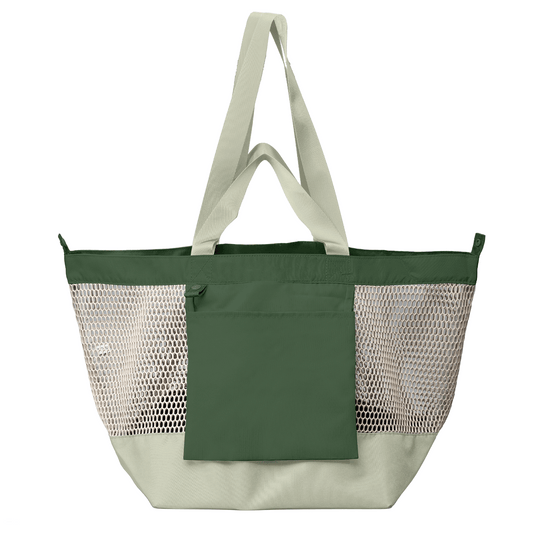
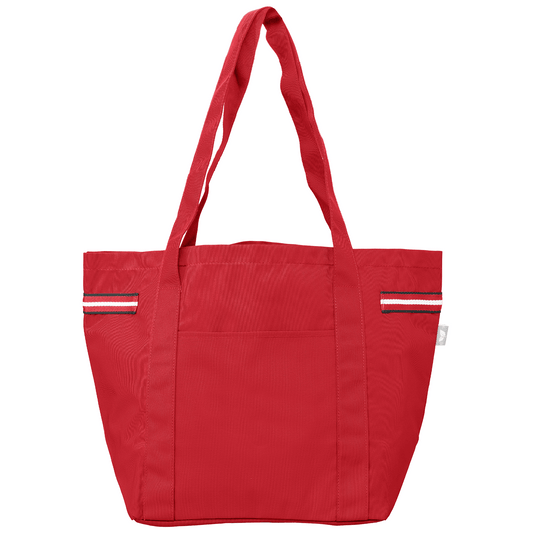
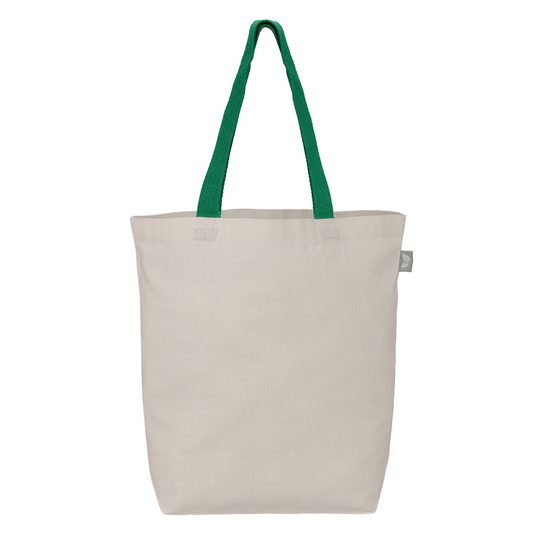
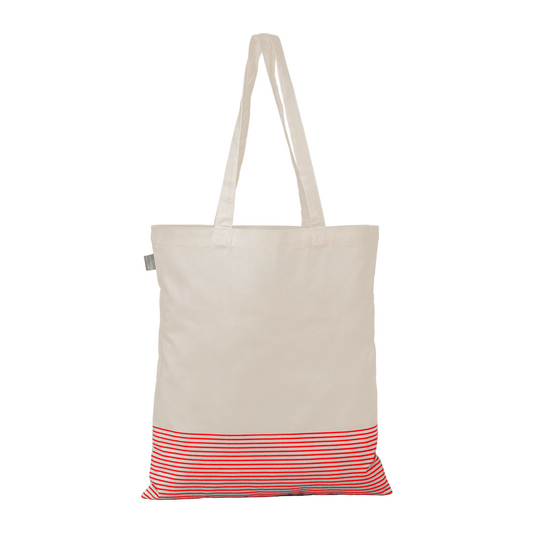
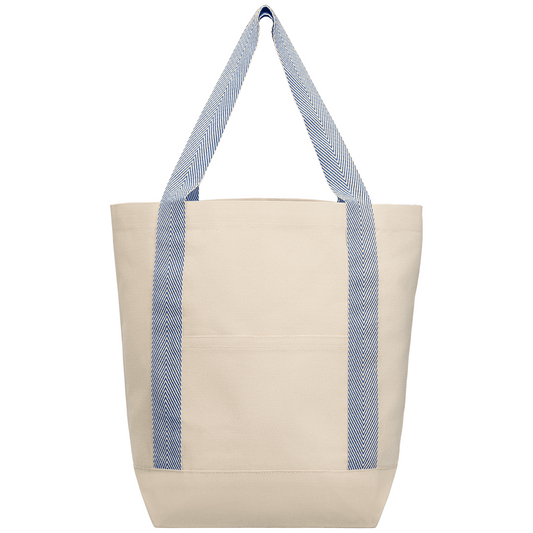
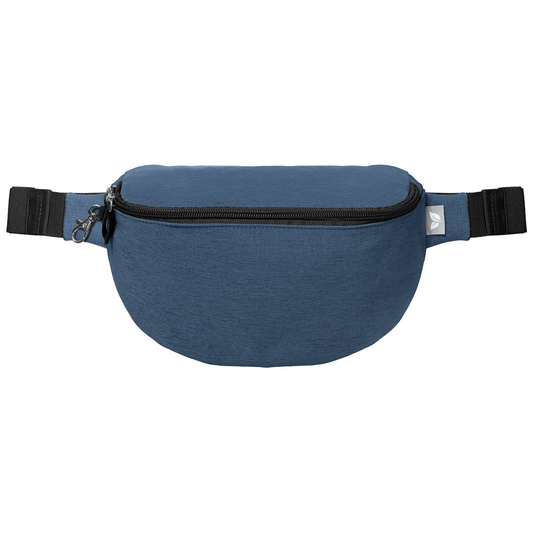
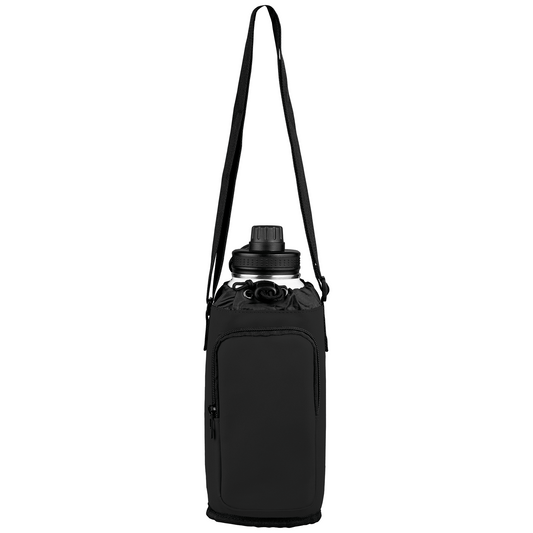
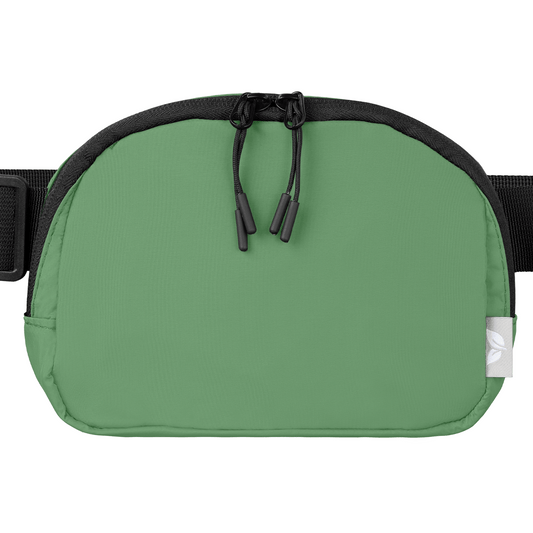
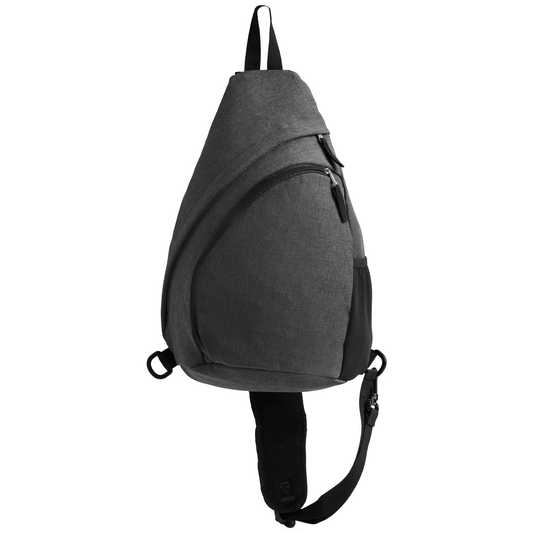
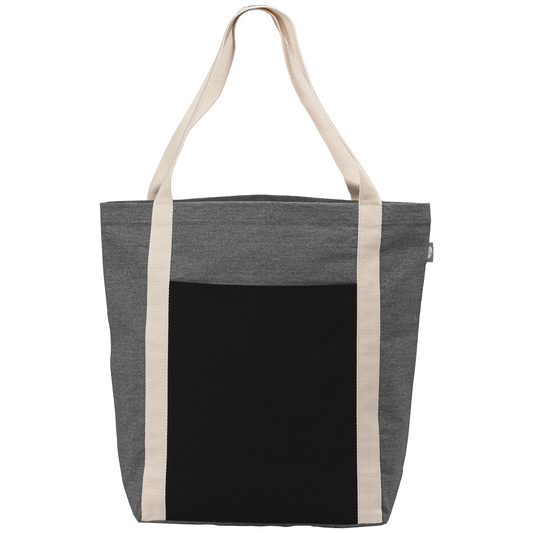
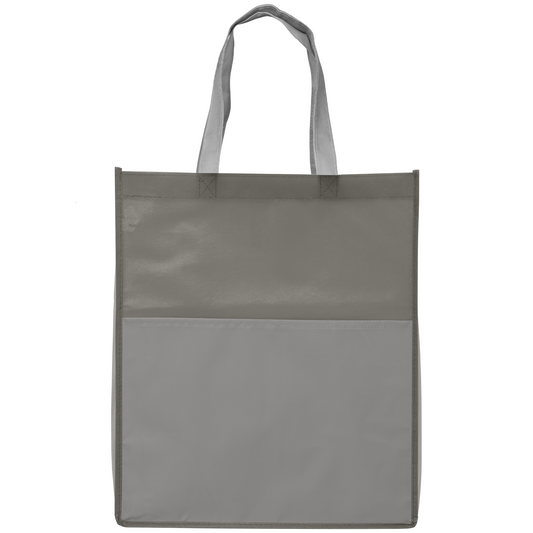
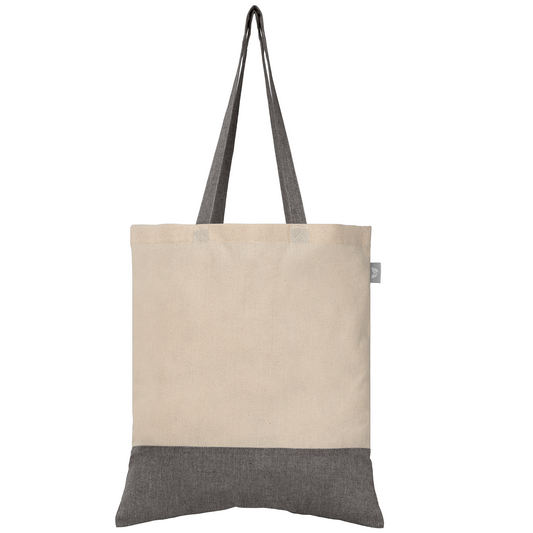
Tote Bag e Shopper Personalizzate per Visibilità di Brand Sostenibile

Cotone biologico, juta, cotone riciclato e non-tessuto. Manici lunghi o corti, grammature da 105 a 280 g/m². Serigrafia a uno o più colori, transfer digitale o ricamo — per fiere, congressi, negozi, welcome pack e campagne eco-responsabili, con produzione su volume e consegna in tutta l’UE.

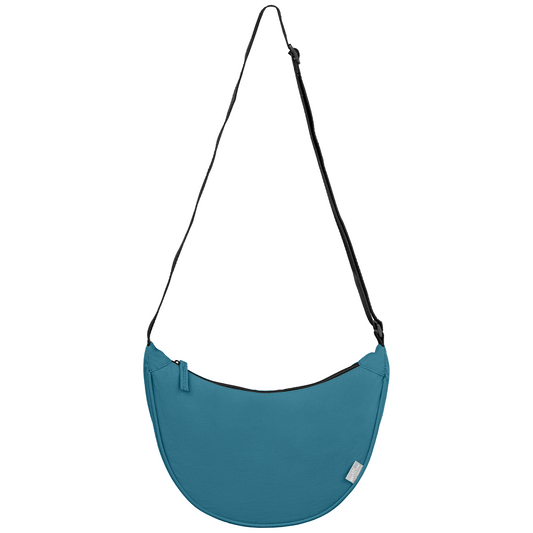
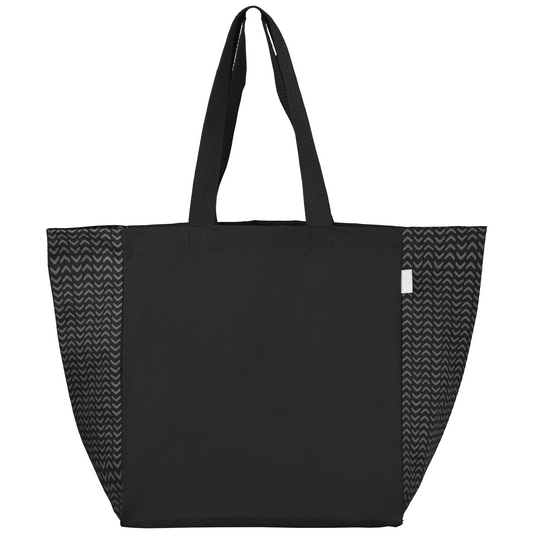
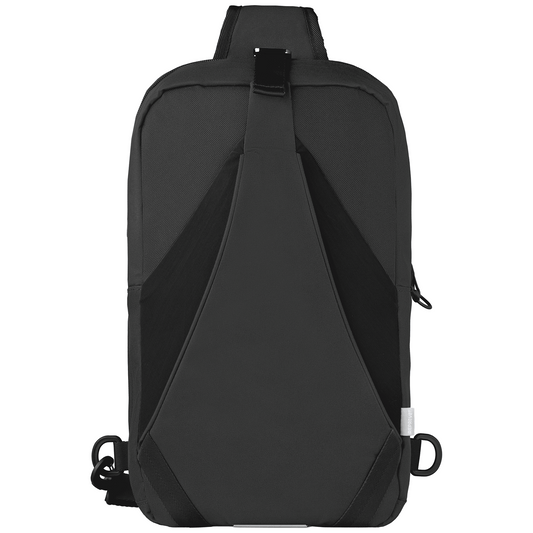
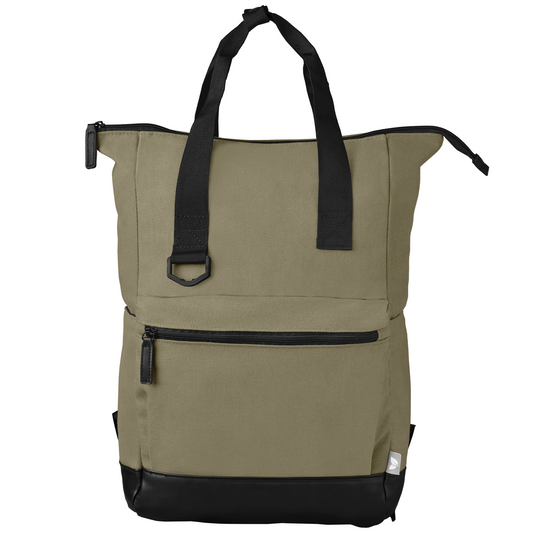
  • NOTABAG | Sustainable, Transformable Bags Designed in Germany

    Notabag is a German design brand known for its innovative tote-to-backpack concept, allowing users to switch between carry styles in seconds. Lightweight, minimalist, and produced using recycled materials, Notabag combines functional design with strong environmental credentials — making it ideal for modern, sustainability-driven brands.

    For B2B campaigns, Notabag offers a step above standard cotton totes. It’s particularly suited to conferences, onboarding kits, and design-led corporate gifting where long-term usability and brand perception matter. Swish & Click provides authorised branding and EU-wide distribution for corporate projects.

    👉 Explore Sustainable German-Designed Bags 
  • SWISS MOUNTAIN | Handcrafted Leather Shoppers from the Swiss Alps

    Swiss Mountain Handbags produces handcrafted leather shoppers entirely in Switzerland, combining traditional alpine craftsmanship with clean, timeless design. Each piece is made in limited quantities using high-quality leather, resulting in durable, refined bags built to last for years.

    These premium leather shoppers are ideal for executive gifting, luxury client campaigns, and high-end corporate merchandise. For brands seeking authenticity and Swiss heritage rather than mass-produced promotional items, Swiss Mountain offers a distinctive alternative. Swish & Click coordinates B2B branding and logistics where appropriate.

    👉 Explore Swiss-Made Leather Corporate Gifts 
  • EQPAK | Polish-Made Eco Paper Shoppers for Sustainable Retail & Events

    EQPAK is a Polish manufacturer specialising in FSC-certified, recyclable paper shoppers for retail and corporate use. Produced in Europe, their bags offer strong structural quality, reinforced handles, and fully customisable print options — suitable for large-scale campaigns and environmentally responsible brands.

    EQPAK is ideal for trade fairs, retail activations, and product launches requiring scalable, sustainable packaging solutions. Swish & Click manages artwork preparation, production coordination, and EU-wide delivery for B2B clients.

    👉 Explore European Eco Paper Shoppers 

La scelta della tote bag giusta dipende dall'uso che se ne farà, dall'impressione che si vuole dare e da fattori pratici come la durata, il budget e i tempi di consegna. Di seguito trovi una panoramica dei tipi di tote bag più comuni utilizzati nelle campagne promozionali e aziendali.

Tipi di borse e materiali

1. Qual è la differenza tra una tote bag e una shopper bag?

In pratica, Le "tote bag" e le "shopper bag" sono molto simili.e i termini vengono spesso utilizzati in modo intercambiabile. Entrambe sono borse riutilizzabili con manici. In generale, una borsa tote Si riferisce a qualsiasi borsa robusta e aperta con manici paralleli, utilizzata per il trasporto quotidiano. A borsa shopper di solito indica una borsa più grande, specificamente pensata per lo shopping o la spesa, spesso con una base rettangolare (soffietto) in modo da poter stare in piedi e contenere più oggetti. In breve, una shopper è essenzialmente un tipo di tote bag pensata per gli acquisti al dettaglio o per la spesa, mentre "tote bag" è una categoria più ampia per tutti i tipi di borse multiuso. Entrambi i tipi sono alternative riutilizzabili ed ecologiche alle borse di plastica usa e getta.

2. Quali tipi di borse e shopper posso scegliere?

Offriamo ogni tipo di tote bag e shopper che ti viene in mente - un'ampia varietà di materiali e stili per soddisfare qualsiasi esigenza. Ecco alcune delle opzioni disponibili:

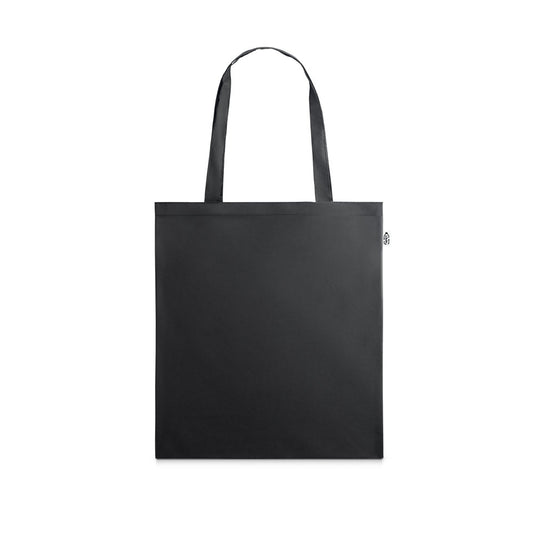
  • Totes in cotone leggero: Borse in cotone classiche (ad esempio 100-140 g/m²), economiche e perfette per gli eventi. Si tratta di borse morbide e pieghevoli ideali per conferenze o fiere.
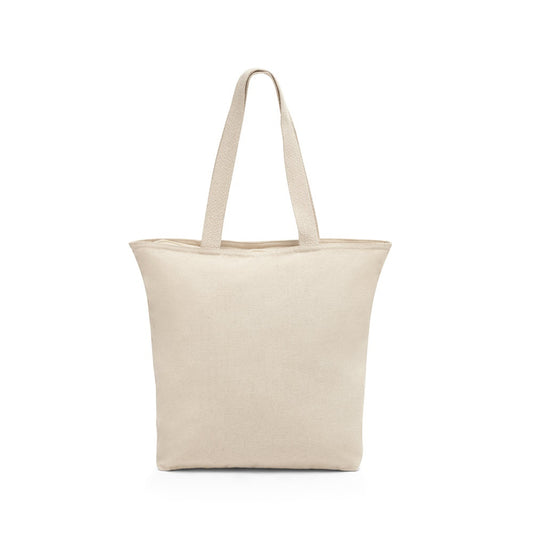
  • Borse in tela e cotone pesante: Tela di cotone spessa e resistente (ad esempio 240-260 g/m²) per i carichi più pesanti. Queste borse più robuste possono sopportare un peso maggiore (spesso ~5 kg o più) e durare più a lungo.
  • Borse in cotone biologico, equosolidale e certificato GOTS: Per coloro che danno priorità all'approvvigionamento etico, sono disponibili opzioni realizzate con cotone biologico certificato o cotone Fairtrade. Questi garantiscono che il cotone sia coltivato in modo sostenibile e senza sostanze chimiche nocive (certificazione OEKO-TEX® Standard 100).
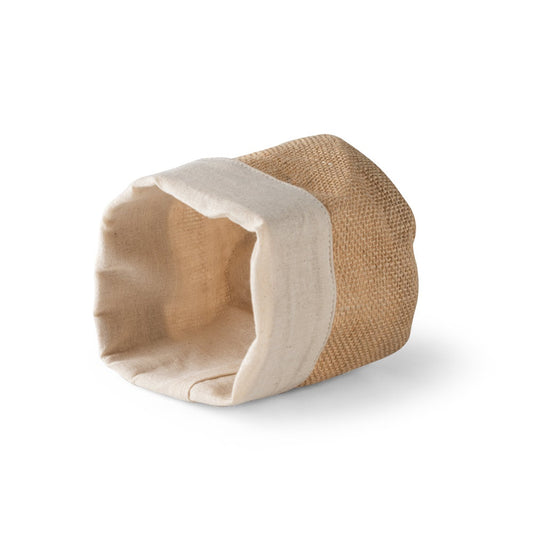
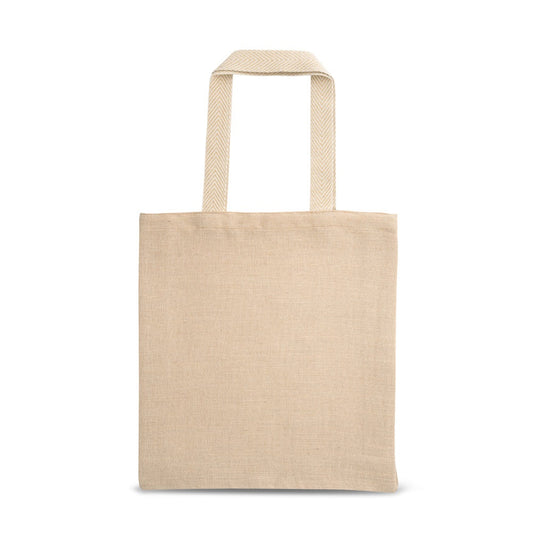
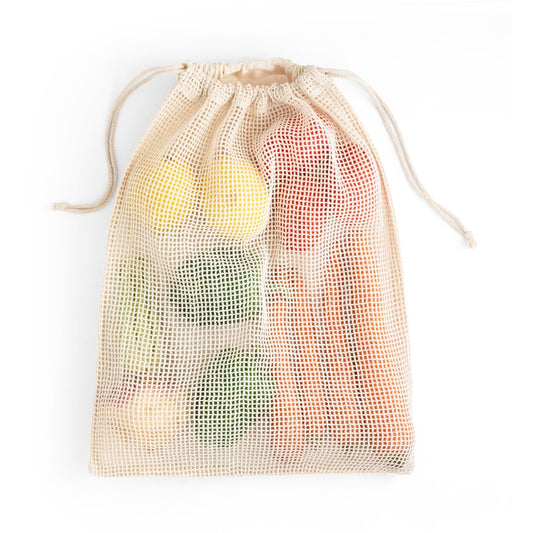
  • Shopper di iuta e canapa: Borse realizzate in fibra naturale di juta o canapa, dall'aspetto rustico e dall'eccellente resistenza. La juta e la canapa sono biodegradabili e molto robuste: ottime per i mercati agricoli o per i marchi eco-consapevoli.
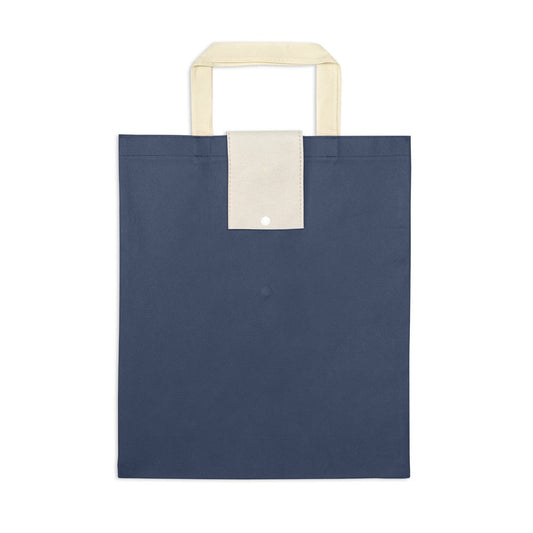
  • Sacchetti in polipropilene non tessuto: Economiche "borse per la vita" realizzate in tessuto PP riciclabile (il tipo utilizzato da molti supermercati). Sono resistenti all'acqua e hanno bisogno di circa 11 riutilizzi per compensare l'impatto della loro produzione, il che le rende una scelta ecologica popolare per gli omaggi all'ingrosso.
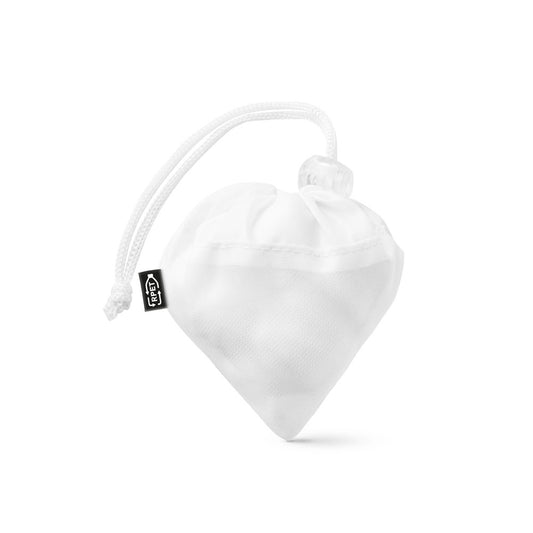
  • Borse in materiale riciclato: Abbiamo borse realizzate con tessuti riciclati - per esempio, borse in cotone riciclato, tessuto in plastica PET (rPET) riciclato o feltro riciclato. Questi prodotti danno una seconda vita ai materiali e mettono in evidenza il tuo impegno per la sostenibilità.
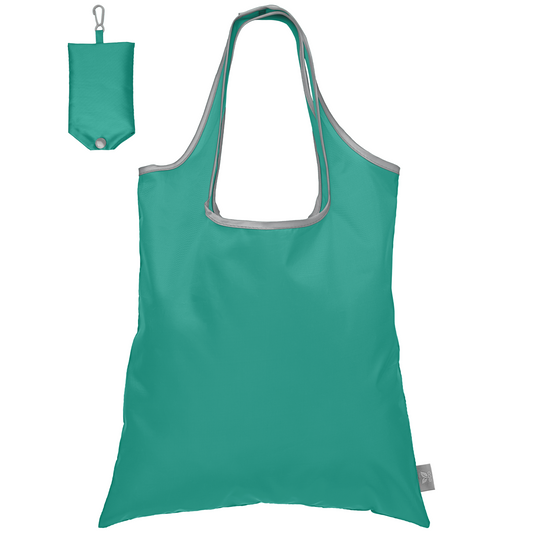
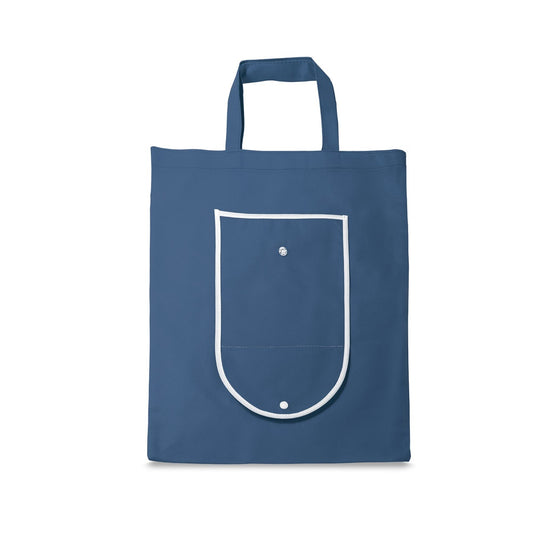
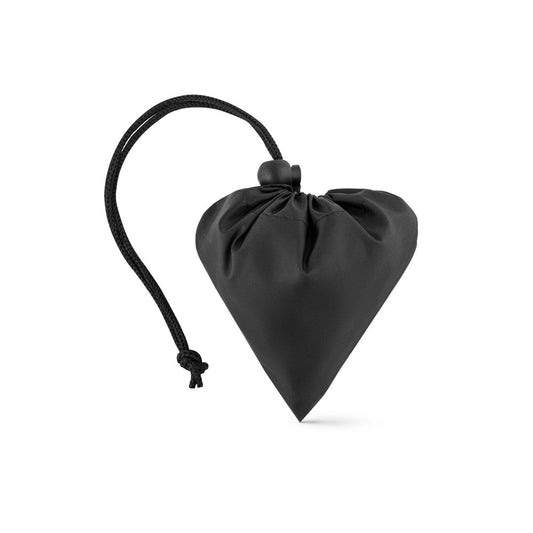
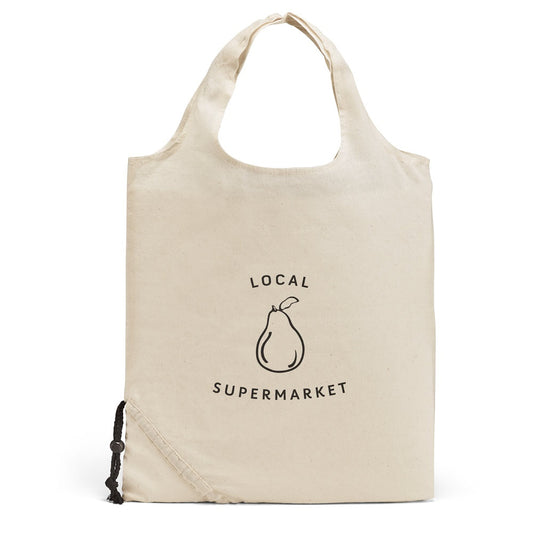
  • Shopper pieghevoli: Pratiche borse per la spesa pieghevoli che possono essere riposte in un sacchetto o in una tasca. Spesso realizzate in poliestere leggero (anche in rPET riciclato), sono perfette da tenere in borsetta o in auto per gli acquisti imprevisti.
  • Borse speciali: Non abbiamo dimenticato gli stili di nicchia: puoi trovare borse da spiaggia (borse più grandi, spesso di tela o di iuta, con cinghie più lunghe per il trasporto a spalla), borse per bottiglie di vino (sacchetti alti e stretti per le bottiglie di vino), e anche borse di carta per la spesa per le presentazioni dei regali. In sostanza, la nostra collezione copre tutte le forme e le dimensioniDa mini contenitori per regali a shopper per la spesa di grandi dimensioni.

Qualunque sia lo stile di cui hai bisogno, dalle sottili borse da conferenza in cotone alle shopper oversize per impieghi gravosi, troverai un'opzione adatta nel nostro assortimento. Tutti i prodotti sono completamente personalizzabili e disponibili con una consegna affidabile in tutta l'Unione Europea.

3. Le tote bag sono ecologiche e sostenibili?

Sì, una delle ragioni per cui le tote bag e le shopper sono così popolari è che sono riutilizzabile ed ecologico. Utilizzando regolarmente una tote bag, riduci drasticamente la plastica monouso. La maggior parte delle nostre borse sono realizzate con materiali naturali o riciclabili, il che significa che hanno un minore impatto ambientale a lungo termine. Ad esempio, le borse in cotone, tela, iuta e canapa sono biodegradabili nel tempo (a differenza della plastica). Il cotone può decomporsi in pochi mesi nelle giuste condizioni e la iuta in pochi anni, mentre un sacchetto di plastica non si biodegrada mai veramente.

Inoltre, offriamo opzioni di materiali sostenibili come il cotone organico e i tessuti riciclati. Molte delle nostre borse in tessuto rispondono a certificazioni ecologiche riconosciute, come ad esempio OEKO-TEX® Standard 100 (testato per le sostanze nocive) e GOTS (Global Organic Textile Standard) per il cotone biologico. Abbiamo anche borse in cotone certificate Fairtrade, che garantiscono salari equi e un'agricoltura sostenibile per i produttori di cotone.

È vero che la produzione di una borsa di cotone ha un impatto iniziale maggiore rispetto a quello di una borsa di plastica sottile. Tuttavia, poiché le borse vengono riutilizzate centinaia di volte, compensano l'impatto iniziale. Uno studio del Regno Unito ha rilevato che una borsa della spesa in cotone deve essere riutilizzata all'incirca 131 volte per eguagliare l'impatto sul clima di un singolo sacchetto di plastica. In pratica, questo significa che devi usare regolarmente la tua borsa, il che è facile, dato che queste borse sono robuste e utili per anni. (Al contrario, per compensare un sacchetto di plastica usa e getta, un sacchetto in tessuto di polipropilene durevole ha bisogno di soli ~11 utilizzi). Il segreto è che Ogni borsa riutilizzabile diventa molto ecologica se la riutilizzi spesso. - ogni utilizzo sostituisce un sacchetto da buttare. Gli studi dimostrano costantemente che riutilizzare il più possibile le borse è ciò che riduce davvero l'impatto ambientale.

In sintesi, le tote bag sono una scelta sostenibile, soprattutto se realizzate con materiali provenienti da fonti responsabili e utilizzate a lungo termine. Scegliendo opzioni come il materiale riciclato o organico e incoraggiando i destinatari a riutilizzarle, massimizzi l'effetto positivo sull'ambiente. Inoltre, questo si riflette positivamente sul tuo marchio: offrire prodotti eco-compatibili dimostra il tuo impegno per la sostenibilità ed è apprezzato dai consumatori di oggi.

(Fonte esterna: education.nationalgeographic.org)

4. Quanto sono resistenti le tue borse tote? Possono trasportare oggetti pesanti?

La durata è una delle caratteristiche principali delle nostre borse tote. Queste borse sono progettate per un uso regolare e possono trasportare una quantità di peso sorprendente per le loro dimensioni. L'esatta capacità di peso dipende dal materiale e dallo spessore: per esempio, una tote in cotone leggero da 100 g/m² può contenere circa 5 kg Il che è sufficiente per contenere opuscoli, libri o un po' di generi alimentari. Le nostre shopper in tela e juta più robuste possono sopportare anche di più: la tela pesante (12 oz/240 g/m²) o le borse in juta spessa possono trasportare libri di testo, bottiglie o prodotti senza alcuno sforzo. Tutte le borse sono dotate di manici robusti (molte sono dotate di cuciture rinforzate sulle cinghie) per evitare che si strappino facilmente anche a pieno carico.

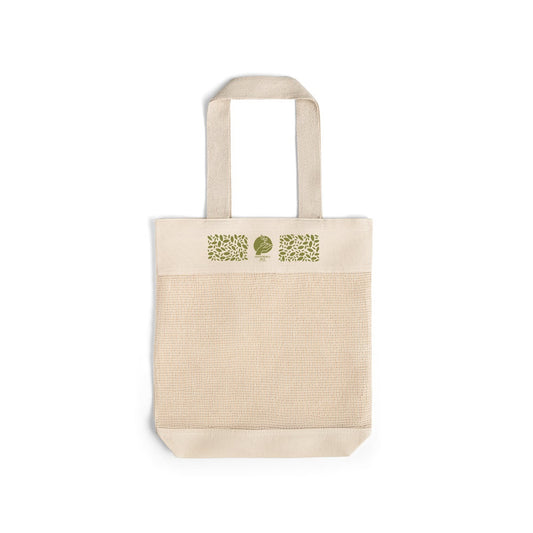
Per la spesa, ti consigliamo di utilizzare sacchetti di peso medio o pesante (cotone da 140 g/m² in su, o iuta), in quanto sono costruito per trasportare oggetti pesanti regolarmente. Molte delle nostre borse stile shopper includono un soffietto (un pannello inferiore piatto), che aggiunge volume e supporto per gli oggetti più ingombranti come verdure o bottiglie. Anche le borse da conferenza più leggere sono realizzate in tessuto di cotone intrecciato, sorprendentemente resistente per il suo peso: sono perfette per cataloghi, volantini e materiale da conferenza.

In breve, puoi aspettarti prestazioni di lunga durata da questi sacchetti. Sono destinate a essere riutilizzate centinaia di volte. Sono anche facile da curareLe borse in cotone e tela sono generalmente lavabili (consigliamo un lavaggio delicato a freddo e un'asciugatura all'aria per preservare i disegni stampati), mentre le borse in iuta possono essere pulite a campione. Scegliendo materiali di qualità e metodi di stampa adeguati, garantiamo che le borse (e il tuo logo su di esse) rimangano in ottime condizioni anche dopo un uso prolungato. Siamo sicuri della qualità: queste borse non si strapperanno dopo pochi utilizzi. Se hai bisogno di consigli su quale borsa sia sufficientemente resistente per uno scopo specifico (ad esempio per trasportare cataloghi o per trasportare la spesa), il nostro team sarà lieto di consigliarti.

5. What is the minimum order quantity (MOQ) for custom tote bags?

Minimum order quantities depend on the bag type and level of customisation. Stock cotton tote bags can typically be produced in relatively low quantities, whereas fully bespoke paper shoppers or structural modifications require higher production runs.

General MOQ guidance:

  • Stock cotton or canvas totes: 50–100 units
  • RPET bags: 100+ units
  • Reinforced paper shoppers: 250–1,000 units
  • Fully custom structural paper bags: 1,000+ units
  • Premium leather or handcrafted bags: project-based minimums

Lower quantities are possible but may increase unit price due to setup costs for printing screens, embroidery files, or structural dies.

For corporate campaigns spanning multiple offices or European locations, consolidating volume into a single production run often reduces cost and ensures colour consistency across all units.

Professional suppliers will also advise whether your artwork, ink coverage, and bag size justify the MOQ requested. Sometimes increasing volume by 10–20% significantly improves cost efficiency.

6. How long does it take to produce and deliver custom tote bags in Europe?

Production timelines vary depending on material, complexity, and volume. Standard European production for printed cotton or canvas tote bags typically takes 7–15 working days after final artwork approval.

For more complex projects, timelines adjust:

  • Paper shoppers with custom structural elements: 2–3 weeks
  • Full-surface printing or laminated finishes: 2–4 weeks
  • Premium leather or handcrafted projects: longer lead times
  • Very high-volume campaigns: dependent on scheduling capacity

Additional time should be considered for:

  • Artwork approval cycles
  • Pantone colour matching
  • Sample production (if required)
  • Multi-location distribution planning

For trade fairs, exhibitions, or scheduled brand activations, planning at least 3–4 weeks ahead is recommended to ensure stress-free delivery across the EU.

Reliable European suppliers offer predictable lead times and avoid customs delays common with overseas production. This is particularly important for time-sensitive campaigns where event dates cannot shift.

7. What printing and branding methods deliver the most professional results on tote bags?

The quality of logo application determines whether a tote bag feels like strategic brand merchandise — or disposable promotional stock. Professional B2B buyers understand that printing method selection affects durability, colour accuracy, and long-term brand perception.

The most reliable branding methods include:

  • Screen printing – Cost-efficient for large runs, excellent colour consistency
  • Pantone-matched ink printing – Critical for brand integrity
  • Digital transfer printing – Suitable for gradients or complex artwork
  • Embroidery – Premium finish for heavy canvas and structured fabric
  • Foil stamping & debossing – Luxury paper and leather applications
  • Full-surface flexographic printing – Retail-grade paper shoppers

Low-grade promotional suppliers often default to the cheapest method available, which can result in cracking prints, fading ink, misaligned artwork, or colour inconsistency across batches.

Professional production standards require:

  • Proper artwork vectorisation
  • Controlled curing temperatures
  • Ink adhesion testing
  • Fabric weight compatibility
  • Batch colour verification

For corporate campaigns spanning multiple European offices, consistency is non-negotiable. High-level suppliers ensure that a bag delivered in Berlin looks identical to one delivered in Barcelona or Milan.

Branding is not decoration — it is reputation in motion.

8. How durable should a branded tote bag be for real marketing impact?

Durability is not a secondary feature — it is the difference between short-term visibility and long-term brand presence. A tote bag used once at a conference creates minimal marketing value. A tote bag reused for years functions as recurring mobile advertising.

Fabric weight (GSM), stitching reinforcement, and handle construction are key durability indicators. For professional campaigns, lightweight 120gsm cotton is often suitable for high-volume distribution, but heavier 240–340gsm canvas significantly increases lifespan and perceived quality.

High-quality tote bags typically include:

  • Reinforced cross-stitching at handles
  • Gusseted sides for load support
  • Double-stitched seams
  • Pre-shrunk or pre-treated fabric
  • Structured bottoms (for retail shoppers)

A durable tote bag can generate thousands of brand impressions over its lifetime — in offices, supermarkets, airports, universities, and public transport.

Cheap bags tear.

Premium bags travel.

Serious brands choose longevity because it multiplies return on investment.

9. Are tote bags actually effective for brand marketing compared to other promotional products?

Yes — but only when they are selected strategically and produced to a standard that encourages long-term use. A generic, low-cost tote bag distributed once at a trade show has limited marketing impact. A well-designed, durable, or design-led tote bag becomes part of someone’s daily routine — and that is where real brand exposure happens.

Design-focused brands such as Notabag demonstrate how functionality increases marketing longevity. A tote that transforms into a backpack, folds compactly, or uses recycled materials is more likely to be reused repeatedly rather than discarded. Similarly, premium leather shoppers from specialist manufacturers such as Swiss Mountain are not treated as promotional items — they are treated as personal accessories. That distinction dramatically increases retention and long-term visibility.

When a tote bag becomes desirable rather than disposable, your brand benefits from:

  • Repeated public exposure in urban environments
  • Association with quality and thoughtful design
  • Alignment with sustainability values
  • Extended lifespan compared to low-cost alternatives
  • Higher perceived brand credibility

Unlike small promotional items that remain in private spaces, a well-made tote bag travels — through city centres, airports, offices, retail environments, and universities. That visibility compounds over time without additional advertising spend.

The effectiveness of tote bags as marketing tools is not about volume alone. It is about quality, usability, and brand alignment. Specialist manufacturers elevate tote bags from simple giveaways to long-term brand carriers — and that is where the real return on investment lies.

10. What compliance and quality standards should corporate buyers consider when sourcing tote bags?

Professional procurement teams increasingly evaluate promotional merchandise against environmental, ethical, and quality standards — especially within the European Union. A tote bag is no longer just a printed product; it must often meet sustainability policies, supplier due diligence requirements, and internal corporate governance criteria.

Key compliance considerations include:

  • FSC certification for paper shoppers
  • OEKO-TEX® certified textiles
  • Organic or responsibly sourced cotton
  • Recycled content verification (for RPET products)
  • REACH compliance for inks and dyes
  • Transparent supply chain documentation
  • European labour and environmental standards

Low-cost import channels frequently lack traceability or verified material sourcing. For brands working with public institutions, NGOs, regulated industries, or sustainability-driven campaigns, traceability is not optional — it is mandatory.

Reliable European manufacturers offer documentation, batch consistency, and predictable quality control. This reduces reputational risk and ensures that promotional merchandise aligns with wider corporate ESG commitments.

In today’s procurement environment, compliance is part of brand credibility.

11. Why choose European-manufactured tote bags over overseas production?

European production offers distinct operational and reputational advantages, particularly for time-sensitive campaigns or multi-country distribution projects.

Advantages of European manufacturing include:

  • Faster and more predictable delivery timelines
  • No customs uncertainty within the EU
  • Higher regulatory oversight
  • Reduced logistical risk
  • Easier quality control
  • Lower minimum volumes for certain projects
  • Reduced environmental transport footprint

While overseas production can offer lower base costs at very high volumes, it often introduces longer lead times, potential customs delays, limited flexibility for reorders, and reduced transparency.

For trade fairs, corporate events, government tenders, and sustainability-focused brands, European production provides reliability and accountability — both of which are critical when campaign dates cannot shift.

European-made tote bags are not simply about geography — they are about control, standards, and consistency.

12. Why does choosing the right B2B merchandising partner matter for tote bag campaigns?

A tote bag campaign is not simply a matter of uploading a logo and selecting the lowest unit price. Professional campaigns — especially those spanning multiple offices, countries, or event locations — require coordination across artwork preparation, material selection, supplier matching, production control, and distribution logistics.

Swish & Click operates differently from transactional online resellers. Rather than offering a single generic product line, we work with a curated network of specialist European manufacturers — including design-led brands, premium leather producers, and eco-certified paper bag specialists. This allows us to match each campaign with the appropriate production partner based on:

  • Campaign objective (event, retail, executive gifting)
  • Sustainability requirements
  • Budget range and volume
  • Brand positioning
  • Delivery timeline
  • Structural and load requirements

We manage the full process from artwork validation (vector checks, Pantone matching, print method selection) to production monitoring and EU-wide delivery coordination. For multi-location campaigns, we ensure consistency across batches — so that a tote bag delivered in Paris matches one delivered in Barcelona, Milan, or Berlin.

Choosing the right partner directly impacts:

  • Print durability and colour accuracy
  • Fabric weight and structural integrity
  • Compliance documentation
  • Production reliability
  • Cost optimisation at scale
  • Long-term brand perception

A purely price-driven reseller focuses on speed and margin. A strategic merchandising partner focuses on brand alignment, durability, and long-term return on investment.

At Swish & Click, tote bags are not treated as disposable promotional items. They are treated as mobile brand assets — designed, produced, and distributed with the same level of care as any other visible corporate touchpoint.

The difference is not just the product.

It is the infrastructure behind it.

The European Union flag with golden stars on blue background — representing Swish & Click’s commitment to one global standard in branded merchandise, powered by a unified pan-European network.

A Unified European Delivery Network for Scalable Brand Campaigns

Swish & Click operates a coordinated European production and delivery infrastructure — supporting multi-location rollouts, repeat campaigns, and cross-border distribution with full compliance. From single-country activations to EU-wide deployments, we ensure consistent quality, controlled lead times, and seamless logistics across the continent.

Serving:
AT, BE, BG, CH, CY, CZ, DE, DK, EE, ES, FI, FR, GB, GR, HR, HU, IE, IS, IT, LI, LT, LU, LV, MT, NL, NO, PL, PT, RO, SE, SI, SK

Explore Our European Apparel Delivery Network →
