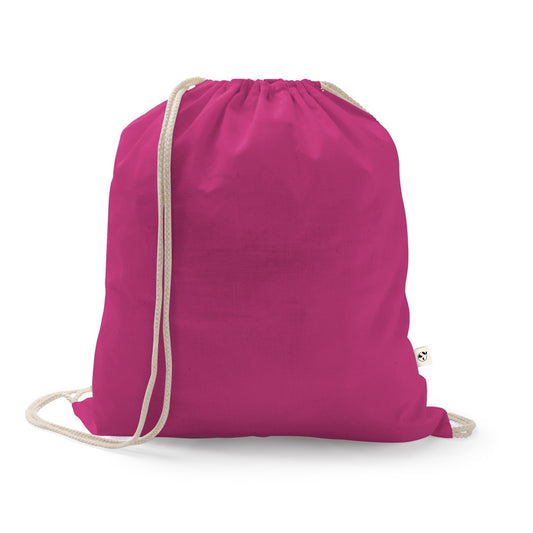
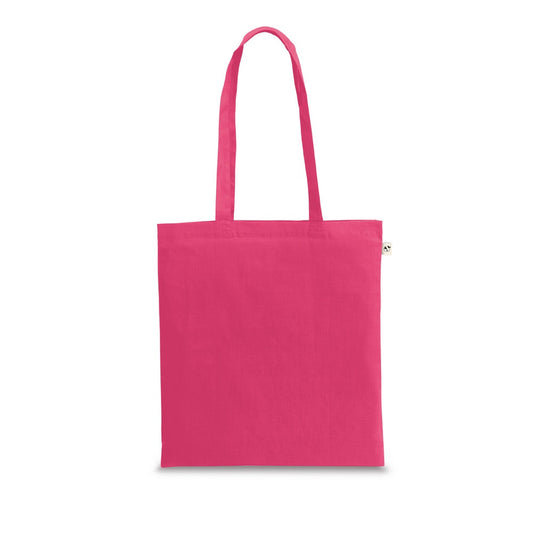
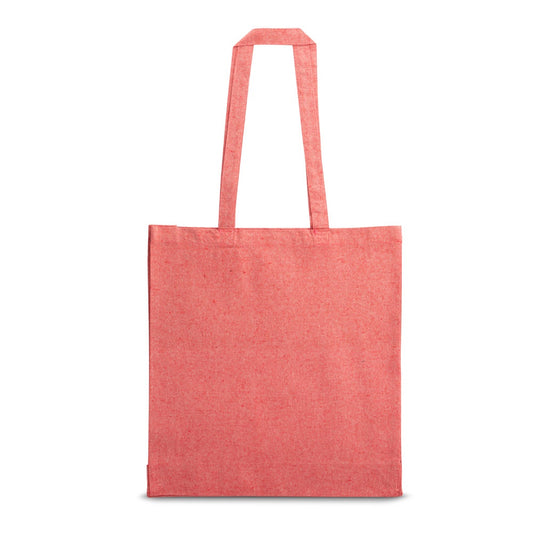
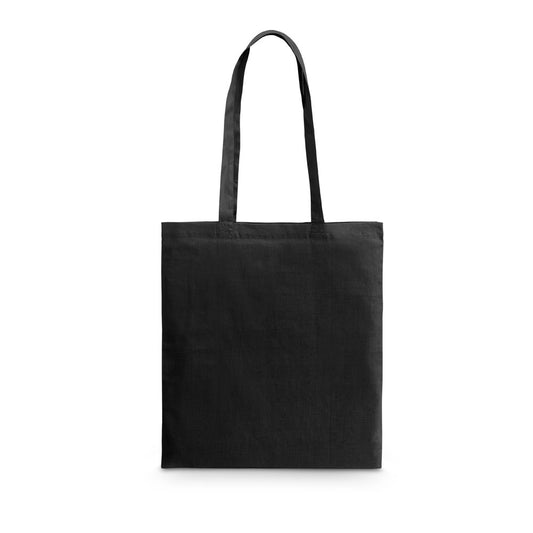
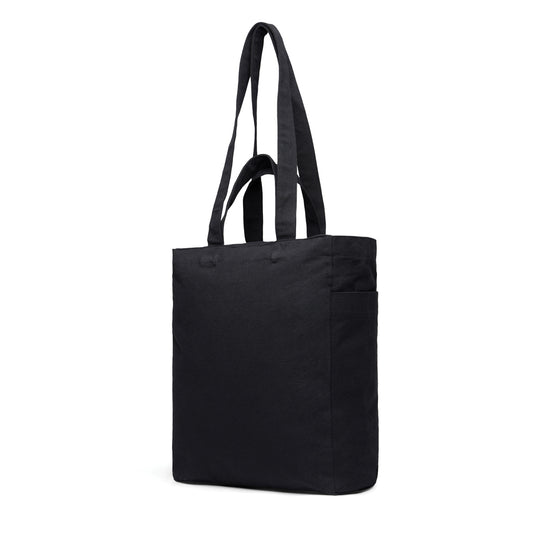
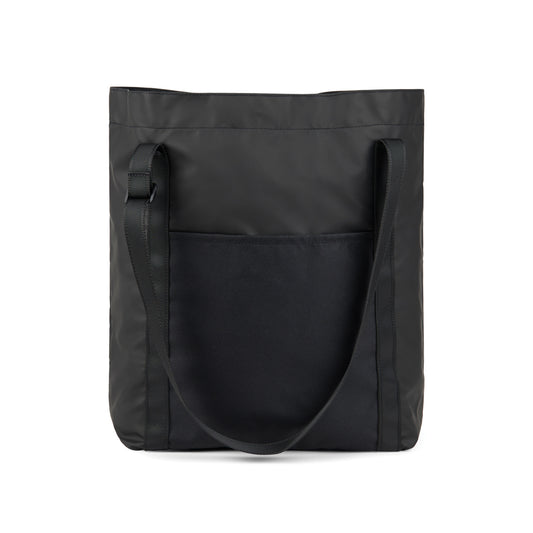
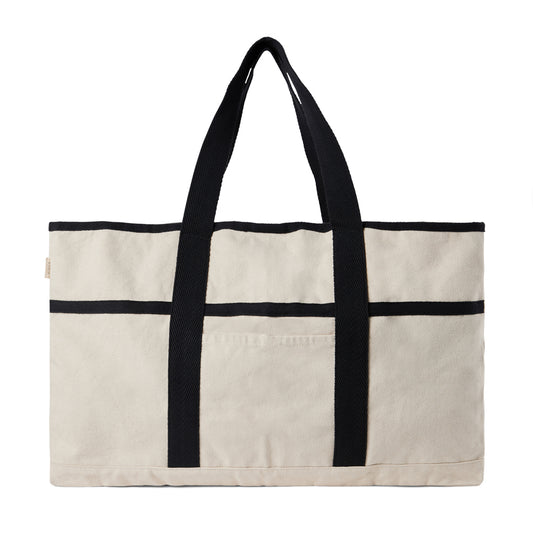
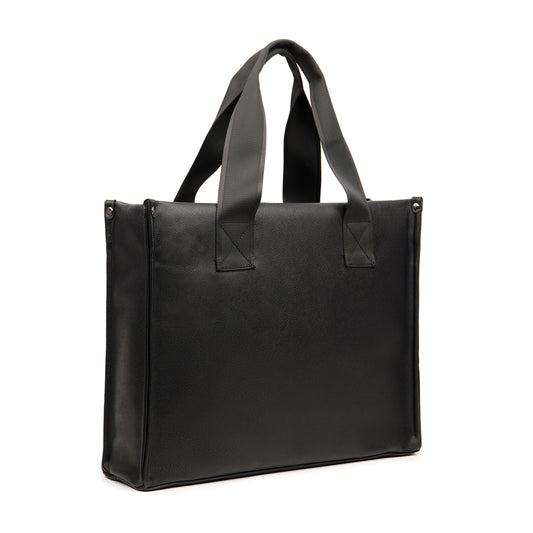
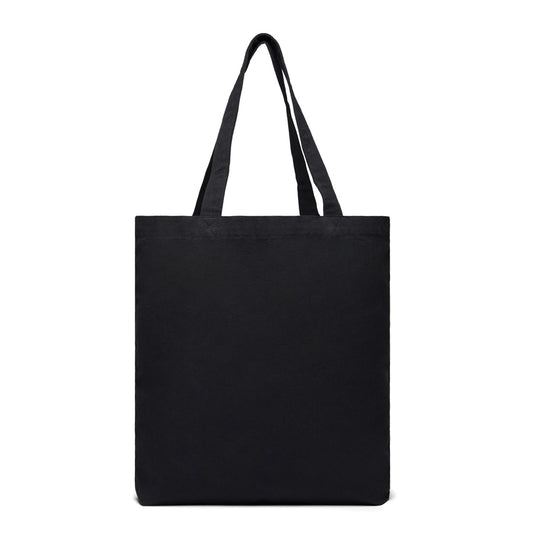
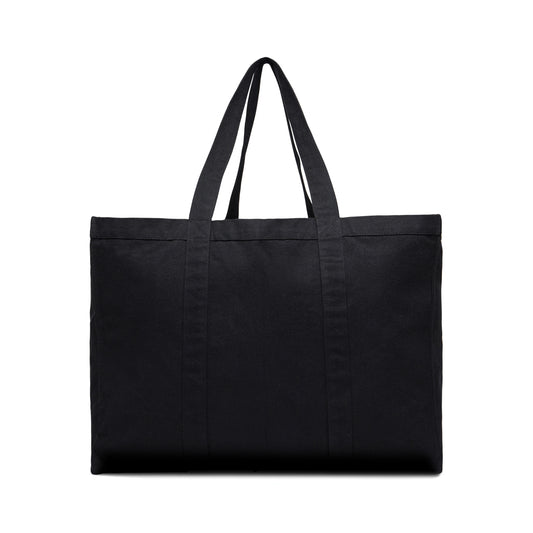
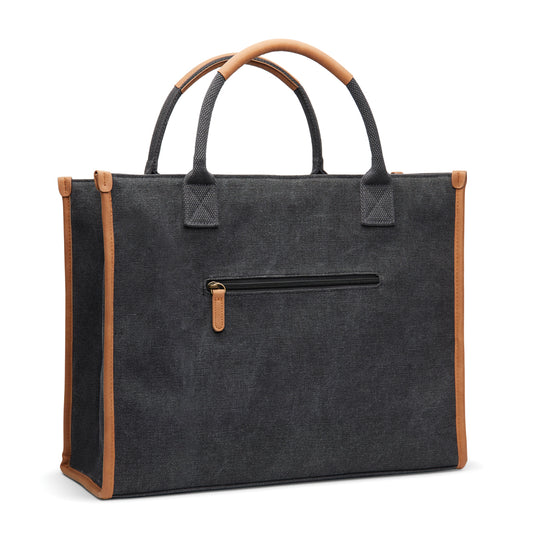
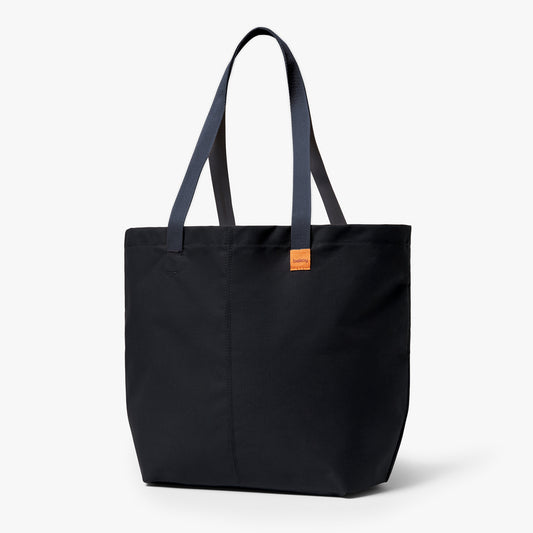
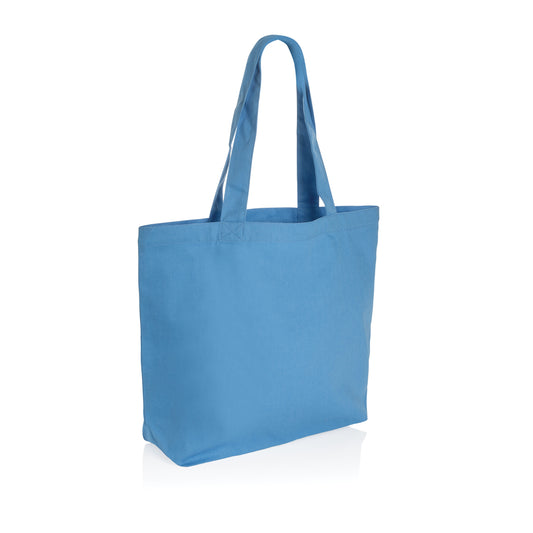
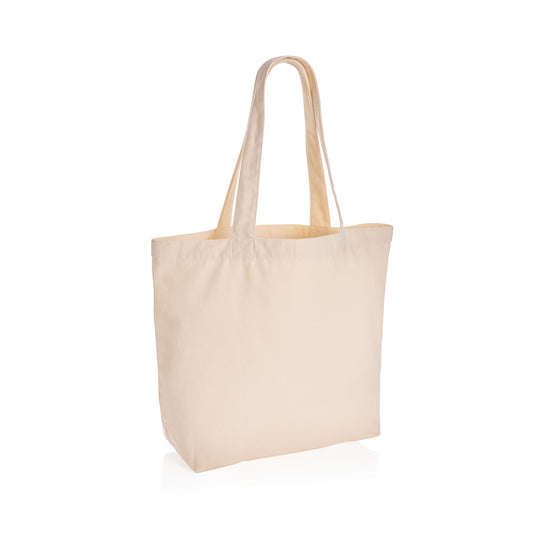
Baumwolltaschen und Jutebeutel mit Logo bedrucken für nachhaltige Markenpräsenz
Bio-Baumwolle, Jute, Recycling-Baumwolle und Non-Woven. Lange oder kurze Henkel, Grammaturen von 105 bis 280 g/m². Siebdruck ein- oder mehrfarbig, Digitaldruck oder Stickerei — für Messen, Kongresse, Einzelhandel, Willkommenspakete und nachhaltige Markenkampagnen, mit Produktion im Volumen und EU-weiter Lieferung.
-
KIRK – Tasche aus recyceltem Denim-Stoff
Normaler Preis €2,83 EURNormaler PreisGrundpreis proVerkaufspreis €2,83 EUR -
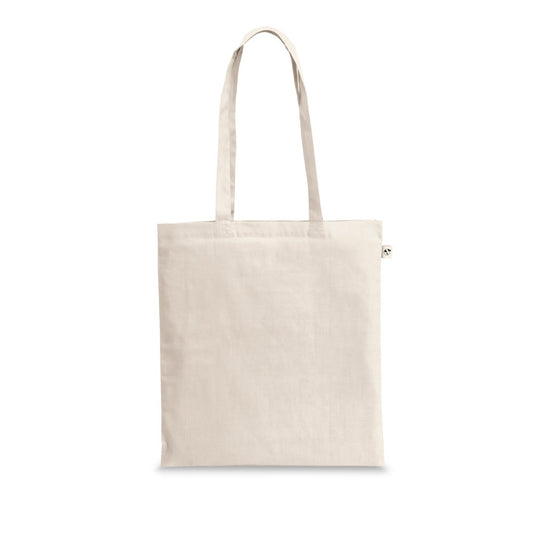
KIMEX – Farbige Tragetasche aus 100 % Fairtrade-Baumwolle (180 g/m²)
Normaler Preis €1,64 EURNormaler PreisGrundpreis proVerkaufspreis €1,64 EUR -
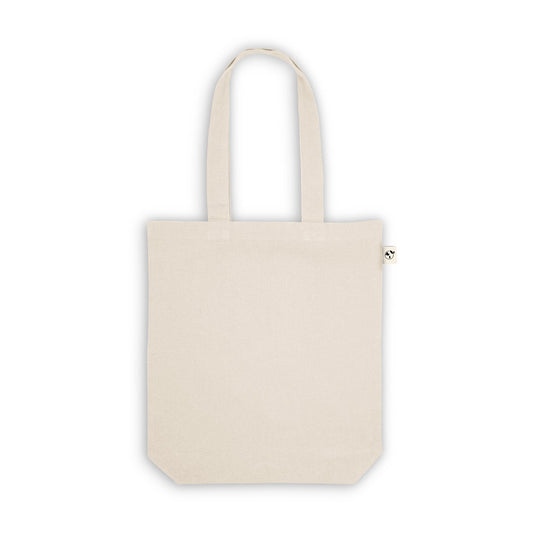
KEON – Tasche aus 100 % Bio-Baumwolle mit 220 g/m² in natürlicher Ausführung
Normaler Preis €1,11 EURNormaler PreisGrundpreis proVerkaufspreis €1,11 EUR -
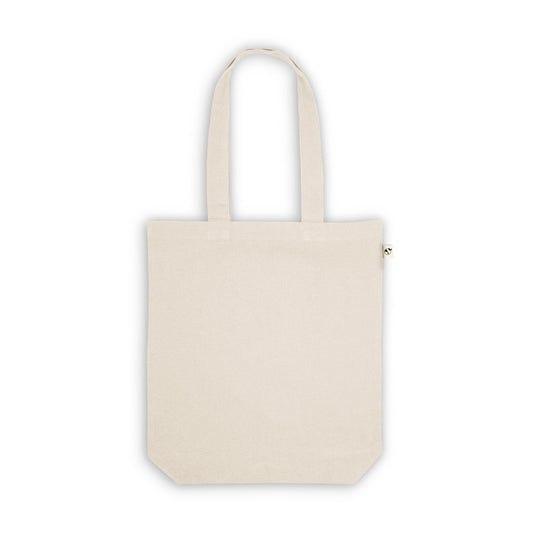
KENSAL – Tasche aus 100 % Bio-Baumwolle
Normaler Preis €1,89 EURNormaler PreisGrundpreis proVerkaufspreis €1,89 EUR -
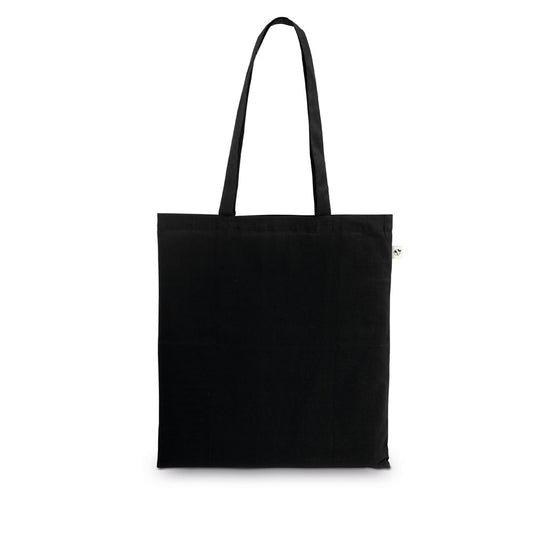
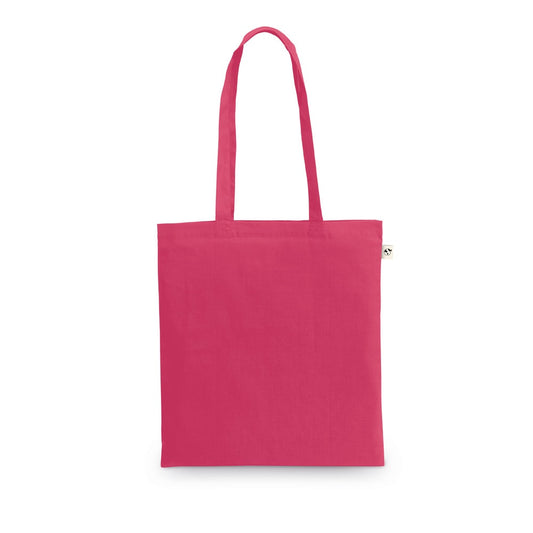
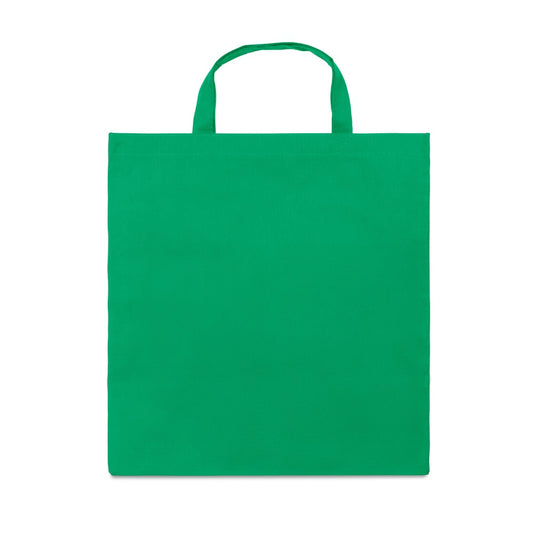
KATO – Tasche aus 100 % Baumwolle, 180 g/m², in Farbe
Normaler Preis €1,48 EURNormaler PreisGrundpreis proVerkaufspreis €1,48 EUR -
JOKIC – Tasche aus 100 % Bio-Baumwolle, 270 g/m², in Farbe
Normaler Preis €2,13 EURNormaler PreisGrundpreis proVerkaufspreis €2,13 EUR -
INCA – Tasche aus recycelter Baumwolle mit meliertem Finish
Normaler Preis €1,09 EURNormaler PreisGrundpreis proVerkaufspreis €1,09 EUR -
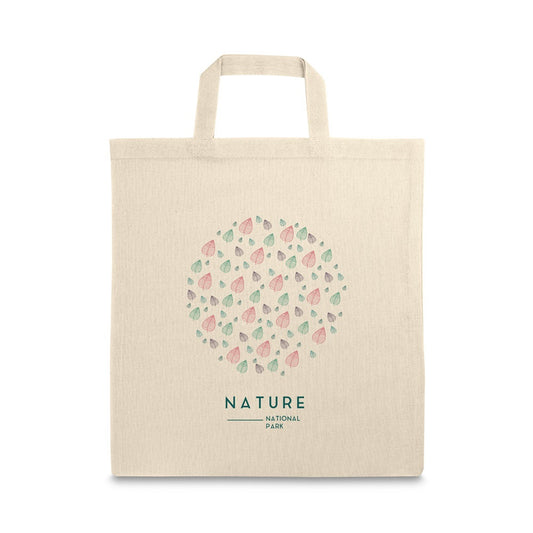
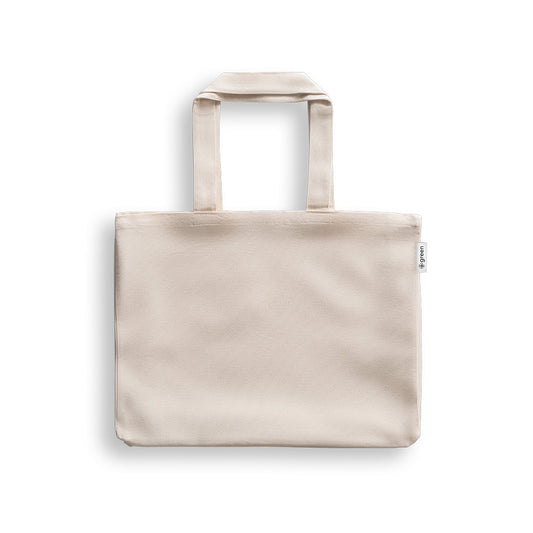
HILLOCK – Genähte Einkaufstasche aus 100 % Baumwolle
Normaler Preis €0,46 EURNormaler PreisGrundpreis proVerkaufspreis €0,46 EUR -
HILL – Tragetasche aus Baumwollstoff
Normaler Preis €0,55 EURNormaler PreisGrundpreis proVerkaufspreis €0,55 EUR -
HERON - Tasche 100 % Baumwolle 140 g/m²
Normaler Preis €0,95 EURNormaler PreisGrundpreis proVerkaufspreis €0,95 EUR -
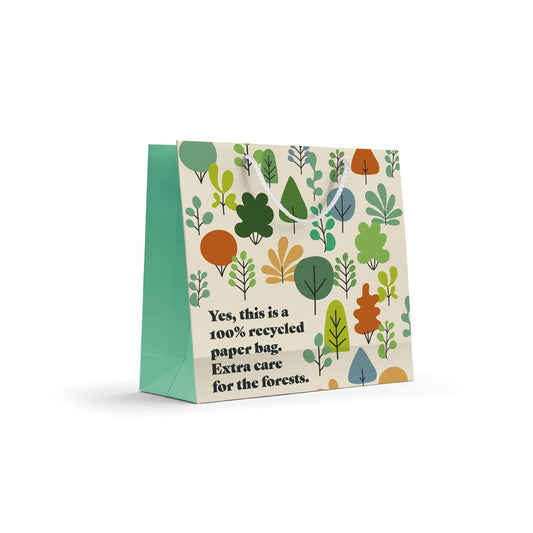
HAYA – 110 g/m² Papiertüte in Naturoptik
Normaler Preis €0,15 EURNormaler PreisGrundpreis proVerkaufspreis €0,15 EUR -
GRETA – Tasche aus 100 % Bio-Baumwolle
Normaler Preis €1,81 EURNormaler PreisGrundpreis proVerkaufspreis €1,81 EUR -
GRACE – Laminierter Jutebeutel
Normaler Preis €1,97 EURNormaler PreisGrundpreis proVerkaufspreis €1,97 EUR -
GAVIA – Tasche aus laminierter Jute
Normaler Preis €1,77 EURNormaler PreisGrundpreis proVerkaufspreis €1,77 EUR -
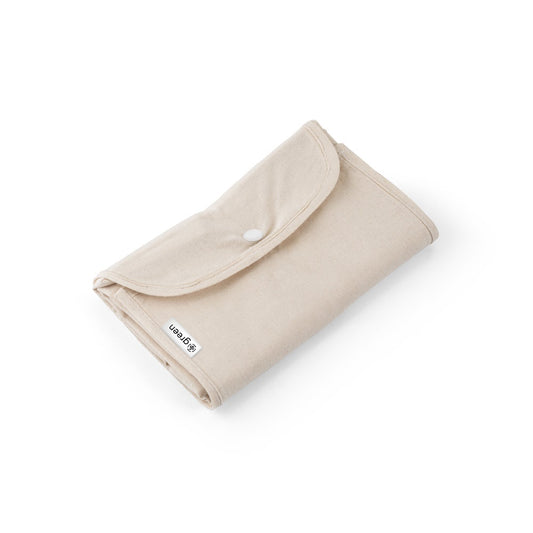
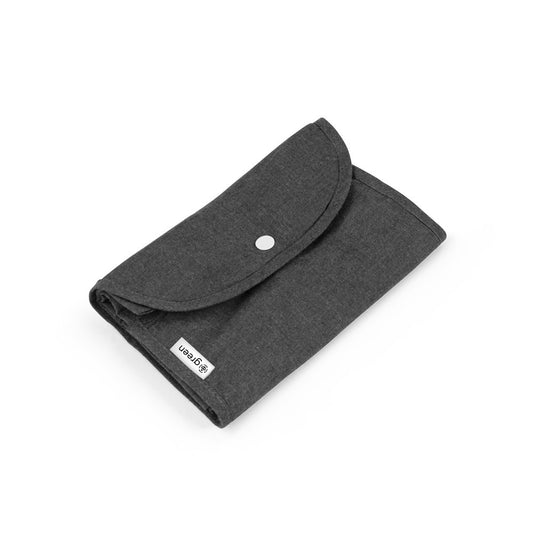
FOLDABLE TOCO – Faltbare Einkaufstasche aus weichem 190T-Polyester
Normaler Preis €0,54 EURNormaler PreisGrundpreis proVerkaufspreis €0,54 EUR -
DORSI – Tasche gefertigt
Normaler Preis €1,56 EURNormaler PreisGrundpreis proVerkaufspreis €1,56 EUR -
DONET – Vliesbeutel mit 80 g/m²
Normaler Preis €0,15 EURNormaler PreisGrundpreis proVerkaufspreis €0,15 EUR -
DEAM – Tasche aus recyceltem Denim
Normaler Preis €2,03 EURNormaler PreisGrundpreis proVerkaufspreis €2,03 EUR -
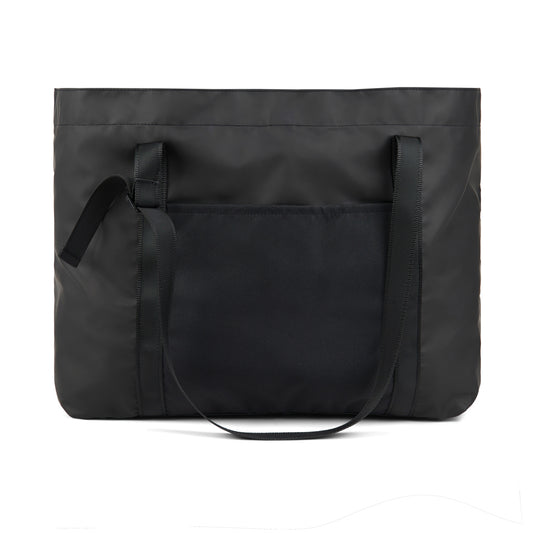
DASHI – Tasche aus weichem und widerstandsfähigem Polyester
Normaler Preis €1,02 EURNormaler PreisGrundpreis proVerkaufspreis €1,02 EUR -
CREST – Heißversiegelter Beutel ohne Seitenfalte
Normaler Preis €0,18 EURNormaler PreisGrundpreis proVerkaufspreis €0,18 EUR -
COAST – Wiederverwendbare Tasche mit glänzend laminierter Oberfläche
Normaler Preis €0,75 EURNormaler PreisGrundpreis proVerkaufspreis €0,75 EUR -
CAROLA - Tasche aus recyceltem Filz
Normaler Preis €1,44 EURNormaler PreisGrundpreis proVerkaufspreis €1,44 EUR -
BRANTA – Reisemaske aus weicher Mikrofaser
Normaler Preis €0,17 EURNormaler PreisGrundpreis proVerkaufspreis €0,17 EUR -
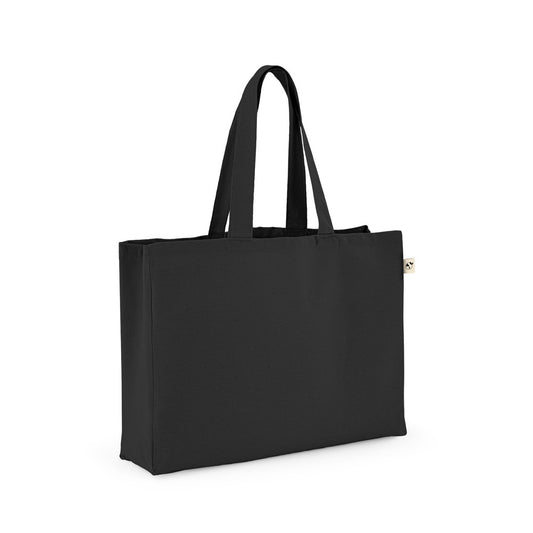
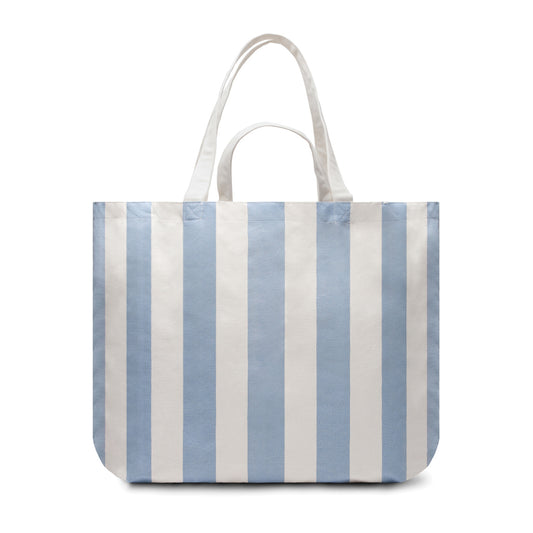
BRAGI – Große Tasche aus 330 g/m² recyceltem Baumwoll-Canvas
Normaler Preis €1,88 EURNormaler PreisGrundpreis proVerkaufspreis €1,88 EUR -
BONDY – Tragetasche aus 100 % Bio-Baumwolle (140 g/m²)
Normaler Preis €1,30 EURNormaler PreisGrundpreis proVerkaufspreis €1,30 EUR -
BODEN – 80 g/m² Vliesbeutel
Normaler Preis €0,18 EURNormaler PreisGrundpreis proVerkaufspreis €0,18 EUR -
BERNA – Tasche aus 100 % Bio-Baumwolle
Normaler Preis €0,90 EURNormaler PreisGrundpreis proVerkaufspreis €0,90 EUR -
BERLIN – Mehrfarbige Tragetasche aus 100 % Baumwolle (180 g/m²)
Normaler Preis €1,48 EURNormaler PreisGrundpreis proVerkaufspreis €1,48 EUR -
BELONA – Tasche aus laminierter Jute und Baumwolle
Normaler Preis €1,42 EURNormaler PreisGrundpreis proVerkaufspreis €1,42 EUR -
BEKAL – Klappbarer Outdoor-Stuhl aus 600D-Polyester
Normaler Preis €11,85 EURNormaler PreisGrundpreis proVerkaufspreis €11,85 EUR -
BARNET – Große Einkaufstasche aus 80 g/m² Vliesstoff
Normaler Preis €0,69 EURNormaler PreisGrundpreis proVerkaufspreis €0,69 EUR -
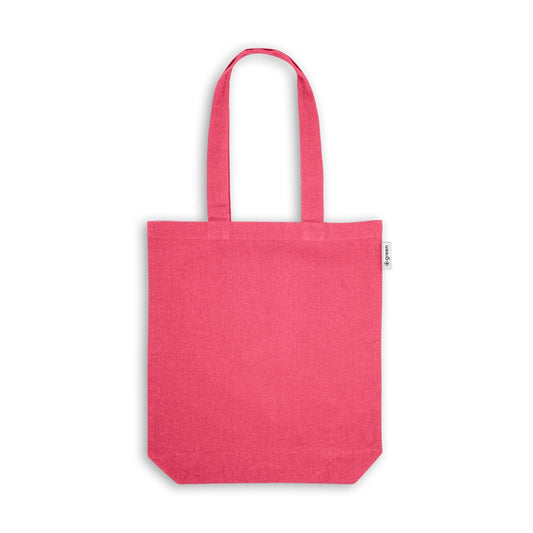
BARMER – Tasche aus recycelter Baumwolle mit meliertem Finish
Normaler Preis €2,47 EURNormaler PreisGrundpreis proVerkaufspreis €2,47 EUR -
BAPEK – Universeller Reiseadapter
Normaler Preis €8,93 EURNormaler PreisGrundpreis proVerkaufspreis €8,93 EUR -
AZOR – Vliestasche
Normaler Preis €0,21 EURNormaler PreisGrundpreis proVerkaufspreis €0,21 EUR -
ARCE – 110 g/m² Papiertüte in Naturoptik
Normaler Preis €0,18 EURNormaler PreisGrundpreis proVerkaufspreis €0,18 EUR -
ANSAR – Aufblasbares Reisekissen mit weichem Wildleder-Touch
Normaler Preis €0,60 EURNormaler PreisGrundpreis proVerkaufspreis €0,60 EUR
Specialist European Manufacturers of Premium Tote Bags & Sustainable Shoppers
-
NOTABAG | Sustainable, Transformable Bags Designed in Germany
👉 Explore Sustainable German-Designed BagsNotabag is a German design brand known for its innovative tote-to-backpack concept, allowing users to switch between carry styles in seconds. Lightweight, minimalist, and produced using recycled materials, Notabag combines functional design with strong environmental credentials — making it ideal for modern, sustainability-driven brands.
For B2B campaigns, Notabag offers a step above standard cotton totes. It’s particularly suited to conferences, onboarding kits, and design-led corporate gifting where long-term usability and brand perception matter. Swish & Click provides authorised branding and EU-wide distribution for corporate projects. -
SWISS MOUNTAIN | Handcrafted Leather Shoppers from the Swiss Alps
👉 Explore Swiss-Made Leather Corporate GiftsSwiss Mountain Handbags produces handcrafted leather shoppers entirely in Switzerland, combining traditional alpine craftsmanship with clean, timeless design. Each piece is made in limited quantities using high-quality leather, resulting in durable, refined bags built to last for years.
These premium leather shoppers are ideal for executive gifting, luxury client campaigns, and high-end corporate merchandise. For brands seeking authenticity and Swiss heritage rather than mass-produced promotional items, Swiss Mountain offers a distinctive alternative. Swish & Click coordinates B2B branding and logistics where appropriate. -
EQPAK | Polish-Made Eco Paper Shoppers for Sustainable Retail & Events
👉 Explore European Eco Paper ShoppersEQPAK is a Polish manufacturer specialising in FSC-certified, recyclable paper shoppers for retail and corporate use. Produced in Europe, their bags offer strong structural quality, reinforced handles, and fully customisable print options — suitable for large-scale campaigns and environmentally responsible brands.
EQPAK is ideal for trade fairs, retail activations, and product launches requiring scalable, sustainable packaging solutions. Swish & Click manages artwork preparation, production coordination, and EU-wide delivery for B2B clients.
Die Wahl der richtigen Tragetasche hängt davon ab, wie sie verwendet wird, welchen Eindruck du erwecken willst, und von praktischen Faktoren wie Haltbarkeit, Budget und Vorlaufzeit. Im Folgenden findest du einen Überblick über die gängigsten Tragetaschenarten, die bei Werbe- und Unternehmenskampagnen verwendet werden.
Tragetaschenarten und Materialien
1. Was ist der Unterschied zwischen einer Tragetasche und einer Shopper-Tasche?
In der Praxis, "Tragetaschen" und "Shopper-Taschen" sind sehr ähnlichund die Begriffe werden oft synonym verwendet. Beide sind wiederverwendbare Tragetaschen mit Griffen. Im Allgemeinen ist eine Tragetasche bezeichnet eine robuste, offene Tasche mit parallelen Griffen, die für den täglichen Gebrauch verwendet wird. A Shopper-Tasche bedeutet in der Regel eine größere Tragetasche, die speziell für Einkäufe oder Lebensmittel gedacht ist - oft mit einem rechteckigen Boden (Zwickel), damit sie aufrecht steht und mehr Gegenstände aufnehmen kann. Kurz gesagt, ein Shopper ist im Wesentlichen eine Tragetasche, die für Einkäufe im Einzelhandel oder für Lebensmittel gedacht ist, während "Tragetasche" ist eine breitere Kategorie für alle Arten von Mehrzweck-Tragetaschen. Beide Arten sind wiederverwendbare und umweltfreundliche Alternativen zu Einweg-Plastiktaschen.
2. Welche Arten von Tragetaschen und Shoppern kann ich auswählen?
Wir bieten jede Art von Tragetasche und Shopper, die du dir vorstellen kannst - eine große Auswahl an Materialien und Stilen für jeden Bedarf. Hier sind einige der verfügbaren Optionen:
- Leichte Baumwolltaschen: Klassische Baumwolltaschen (z.B. 100-140 g/m² Baumwolle), die budgetfreundlich und perfekt für Veranstaltungen sind. Diese weichen, faltbaren Taschen sind ideal für Konferenzen oder Messen.
- Taschen aus Canvas und schwerer Baumwolle: Dicker, strapazierfähiger Baumwollstoff (z.B. 240-260 g/m²) für schwerere Lasten. Diese robusteren Tragetaschen können mehr Gewicht tragen (oft ~5 kg oder mehr) und halten länger.
- Bio-, Fairtrade- und GOTS-zertifizierte Baumwolltaschen: Für diejenigen, die Wert auf eine ethische Beschaffung legen, gibt es Optionen aus zertifizierter Bio- oder Fairtrade-Baumwolle. Diese garantieren, dass die Baumwolle nachhaltig und ohne schädliche Chemikalien angebaut wird (OEKO-TEX® Standard 100 zertifiziert).
- Jute und Hanf Shopper: Taschen aus natürlichen Jutefasern oder Hanf, die einen rustikalen Look und eine hervorragende Festigkeit haben. Jute und Hanf sind biologisch abbaubar und sehr robust - ideal für Bauernmärkte oder umweltbewusste Marken.
- Polypropylen-Säcke aus Vliesstoff: Erschwingliche "Taschen fürs Leben" aus recycelbarem PP-Gewebe (wie es viele Supermärkte verwenden). Sie sind wasserabweisend und müssen nur etwa 11 Mal wiederverwendet werden, um die Auswirkungen ihrer Produktion auszugleichen, was sie zu einer beliebten umweltfreundlichen Wahl für Werbegeschenke macht.
- Recycelte Materialtaschen: Wir führen Tragetaschen aus recycelten Textilien - zum Beispiel Taschen aus recycelte Baumwolle, recyceltem PET (rPET) oder recyceltem Filz. Sie geben den Materialien ein zweites Leben und unterstreichen dein Engagement für Nachhaltigkeit.
- Faltbare Shopper: Praktische faltbare Einkaufstaschen, die in einen Beutel oder eine Tasche gepackt werden können. Sie bestehen oft aus leichtem Polyester (auch aus recyceltem rPET) und eignen sich perfekt für unerwartete Einkaufstouren in deiner Handtasche oder im Auto.
- Spezialtaschen: Wir haben die Nischenstile nicht vergessen - du findest Strandtaschen (größere Tragetaschen, oft aus Segeltuch oder Jute, mit längeren Riemen zum Tragen über der Schulter), Weinflaschen-Tragetaschen (hohe schmale Taschen für Weinflaschen) und sogar Papiereinkaufstüten für Geschenkpräsentationen. Unsere Kollektion umfasst im Wesentlichen alle Formen und Größenvon Mini-Geschenkbehältern bis hin zu übergroßen Lebensmitteleinkaufstaschen.
Egal, welchen Stil du brauchst - von schlanken Konferenztaschen aus Baumwolle bis hin zu übergroßen, strapazierfähigen Shoppern - du wirst in unserem Sortiment die passende Option finden. Alle Produkte sind vollständig anpassbar und werden EU-weit zuverlässig geliefert.
3. Sind Tragetaschen umweltfreundlich und nachhaltig?
Ja - ein wichtiger Grund, warum Tragetaschen und Shopper so beliebt sind, ist, dass sie wiederverwendbar und umweltfreundlich. Wenn du regelmäßig eine Tragetasche benutzt, reduzierst du den Verbrauch von Einwegplastik drastisch. Die meisten unserer Tragetaschen werden aus natürlichen oder recycelbaren Materialien hergestellt, was bedeutet, dass sie die Umwelt langfristig weniger belasten. Ein Beispiel, Baumwoll-, Canvas-, Jute- und Hanfsäcke sind biologisch abbaubar im Laufe der Zeit (im Gegensatz zu Plastik). Baumwolle kann sich unter den richtigen Bedingungen innerhalb von Monaten zersetzen, Jute innerhalb von ein paar Jahren, während eine Plastiktüte nie wirklich biologisch abbaubar ist.
Zusätzlich bieten wir Nachhaltige Materialoptionen wie Bio-Baumwolle und recycelte Stoffe. Viele unserer Textiltaschen erfüllen anerkannte Öko-Zertifizierungen - wie OEKO-TEX® Standard 100 (auf Schadstoffe getestet) und GOTS (Global Organic Textile Standard) für Bio-Baumwolle. Wir führen sogar Fairtrade-zertifizierte Baumwolltragetaschen, die den Baumwollproduzenten faire Löhne und nachhaltigen Anbau garantieren.
Es stimmt, dass die Herstellung eines Baumwollbeutels zunächst einen größeren Fußabdruck hinterlässt als die Herstellung einer dünnen Plastiktüte. Da die Tragetaschen jedoch hunderte Male wiederverwendet werden können, machen sie diese anfängliche Belastung wieder wett. Eine britische Studie ergab, dass eine Einkaufstasche aus Baumwolle etwa 131 Mal um die Klimabelastung einer einzigen Plastiktüte auszugleichen. In der Praxis bedeutet das nur, dass du deine Tüte regelmäßig benutzen solltest - was einfach ist, denn diese Taschen sind robust und jahrelang verwendbar. (Im Gegensatz dazu muss eine langlebige Polypropylen-Stofftasche nur ~11 Mal verwendet werden, um eine Einweg-Plastiktüte auszugleichen.) Der Schlüssel ist, dass Jede wiederverwendbare Tasche wird sehr umweltfreundlich, wenn du sie tatsächlich oft wiederverwendest. - jede Verwendung ersetzt eine Wegwerftasche. Studien zeigen immer wieder, dass eine möglichst häufige Wiederverwendung von Tüten die Umwelt wirklich entlastet.
Zusammenfassend lässt sich sagen, dass Tragetaschen eine nachhaltige Wahl sind, vor allem, wenn sie aus verantwortungsvoll hergestellten Materialien hergestellt und langfristig genutzt werden. Wenn du Optionen wie recyceltes oder biologisches Material wählst und die Empfänger/innen dazu aufforderst, die Taschen wiederzuverwenden, maximierst du den positiven Umwelteffekt. Außerdem wirft es ein gutes Licht auf deine Marke - wenn du umweltbewusste Produkte anbietest, zeigt das dein Engagement für Nachhaltigkeit und wird von den Verbrauchern von heute geschätzt.
(Externe Quelle: bildung.nationalgeographic.org)
4. Wie haltbar sind deine Tragetaschen? Können sie schwere Gegenstände tragen?
Langlebigkeit ist eine der wichtigsten Eigenschaften unserer Tragetaschen. Diese Taschen sind für den regelmäßigen Gebrauch konzipiert und können für ihre Größe erstaunlich viel Gewicht tragen. Die genaue Gewichtskapazität hängt vom Material und der Dicke ab: Eine leichte Baumwolltasche mit 100 g/m² fasst zum Beispiel etwa 5 kg bequem, was für Broschüren, Bücher oder ein paar Lebensmittel ausreicht. Unsere robusteren Canvas- und Jute-Shopper können sogar noch mehr tragen - schwere Canvas- (12 oz/240 g/m²) oder dicke Jutetaschen können Lehrbücher, Flaschen oder Lebensmittel ohne Anstrengung transportieren. Alle Shopper sind mit stabilen Griffen ausgestattet (viele haben verstärkte Nähte an den Riemen), um sicherzustellen, dass sie auch bei voller Beladung nicht leicht reißen.
Für den Lebensmitteleinkauf empfehlen wir die mittelschweren oder schweren Taschen (Baumwolle ab 140 g/m² oder Jute), da sie gebaut, um schwere Gegenstände zu tragen regelmäßig. Viele unserer Shopper-Taschen haben einen Zwickel (einen flachen Boden), der sperrigen Gegenständen wie Gemüse oder Flaschen mehr Volumen und Halt gibt. Selbst die leichteren Konferenztaschen sind aus gewebtem Baumwollstoff, der für sein Gewicht erstaunlich robust ist - perfekt für Kataloge, Flyer und Konferenzunterlagen.
Kurz gesagt, du kannst erwarten Langlebige Leistung von diesen Taschen. Sie sind dafür gedacht, hunderte Male wiederverwendet zu werden. Sie sind außerdem leicht zu pflegen: Baumwoll- und Canvas-Taschen sind in der Regel waschbar (wir empfehlen eine schonende Kaltwäsche und das Trocknen an der Luft, damit die aufgedruckten Motive erhalten bleiben), und Jute-Taschen können punktuell gereinigt werden. Durch die Auswahl hochwertiger Materialien und geeigneter Druckverfahren stellen wir sicher, dass die Taschen (und dein Logo darauf) auch bei häufigem Gebrauch in gutem Zustand bleiben. Wir stehen für die Qualität ein - diese Taschen werden nicht schon nach ein paar Mal Tragen reißen. Wenn du wissen willst, welche Tasche für einen bestimmten Zweck geeignet ist (z. B. für Kataloge oder Lebensmittel), berät dich unser Team gerne.
5. What is the minimum order quantity (MOQ) for custom tote bags?
Minimum order quantities depend on the bag type and level of customisation. Stock cotton tote bags can typically be produced in relatively low quantities, whereas fully bespoke paper shoppers or structural modifications require higher production runs.
General MOQ guidance:
- Stock cotton or canvas totes: 50–100 units
- RPET bags: 100+ units
- Reinforced paper shoppers: 250–1,000 units
- Fully custom structural paper bags: 1,000+ units
- Premium leather or handcrafted bags: project-based minimums
Lower quantities are possible but may increase unit price due to setup costs for printing screens, embroidery files, or structural dies.
For corporate campaigns spanning multiple offices or European locations, consolidating volume into a single production run often reduces cost and ensures colour consistency across all units.
Professional suppliers will also advise whether your artwork, ink coverage, and bag size justify the MOQ requested. Sometimes increasing volume by 10–20% significantly improves cost efficiency.
6. How long does it take to produce and deliver custom tote bags in Europe?
Production timelines vary depending on material, complexity, and volume. Standard European production for printed cotton or canvas tote bags typically takes 7–15 working days after final artwork approval.
For more complex projects, timelines adjust:
- Paper shoppers with custom structural elements: 2–3 weeks
- Full-surface printing or laminated finishes: 2–4 weeks
- Premium leather or handcrafted projects: longer lead times
- Very high-volume campaigns: dependent on scheduling capacity
Additional time should be considered for:
- Artwork approval cycles
- Pantone colour matching
- Sample production (if required)
- Multi-location distribution planning
For trade fairs, exhibitions, or scheduled brand activations, planning at least 3–4 weeks ahead is recommended to ensure stress-free delivery across the EU.
Reliable European suppliers offer predictable lead times and avoid customs delays common with overseas production. This is particularly important for time-sensitive campaigns where event dates cannot shift.
7. What printing and branding methods deliver the most professional results on tote bags?
The quality of logo application determines whether a tote bag feels like strategic brand merchandise — or disposable promotional stock. Professional B2B buyers understand that printing method selection affects durability, colour accuracy, and long-term brand perception.
The most reliable branding methods include:
- Screen printing – Cost-efficient for large runs, excellent colour consistency
- Pantone-matched ink printing – Critical for brand integrity
- Digital transfer printing – Suitable for gradients or complex artwork
- Embroidery – Premium finish for heavy canvas and structured fabric
- Foil stamping & debossing – Luxury paper and leather applications
- Full-surface flexographic printing – Retail-grade paper shoppers
Low-grade promotional suppliers often default to the cheapest method available, which can result in cracking prints, fading ink, misaligned artwork, or colour inconsistency across batches.
Professional production standards require:
- Proper artwork vectorisation
- Controlled curing temperatures
- Ink adhesion testing
- Fabric weight compatibility
- Batch colour verification
For corporate campaigns spanning multiple European offices, consistency is non-negotiable. High-level suppliers ensure that a bag delivered in Berlin looks identical to one delivered in Barcelona or Milan.
Branding is not decoration — it is reputation in motion.
8. How durable should a branded tote bag be for real marketing impact?
Durability is not a secondary feature — it is the difference between short-term visibility and long-term brand presence. A tote bag used once at a conference creates minimal marketing value. A tote bag reused for years functions as recurring mobile advertising.
Fabric weight (GSM), stitching reinforcement, and handle construction are key durability indicators. For professional campaigns, lightweight 120gsm cotton is often suitable for high-volume distribution, but heavier 240–340gsm canvas significantly increases lifespan and perceived quality.
High-quality tote bags typically include:
- Reinforced cross-stitching at handles
- Gusseted sides for load support
- Double-stitched seams
- Pre-shrunk or pre-treated fabric
- Structured bottoms (for retail shoppers)
A durable tote bag can generate thousands of brand impressions over its lifetime — in offices, supermarkets, airports, universities, and public transport.
Cheap bags tear.
Premium bags travel.
Serious brands choose longevity because it multiplies return on investment.
9. Are tote bags actually effective for brand marketing compared to other promotional products?
Yes — but only when they are selected strategically and produced to a standard that encourages long-term use. A generic, low-cost tote bag distributed once at a trade show has limited marketing impact. A well-designed, durable, or design-led tote bag becomes part of someone’s daily routine — and that is where real brand exposure happens.
Design-focused brands such as Notabag demonstrate how functionality increases marketing longevity. A tote that transforms into a backpack, folds compactly, or uses recycled materials is more likely to be reused repeatedly rather than discarded. Similarly, premium leather shoppers from specialist manufacturers such as Swiss Mountain are not treated as promotional items — they are treated as personal accessories. That distinction dramatically increases retention and long-term visibility.
When a tote bag becomes desirable rather than disposable, your brand benefits from:
- Repeated public exposure in urban environments
- Association with quality and thoughtful design
- Alignment with sustainability values
- Extended lifespan compared to low-cost alternatives
- Higher perceived brand credibility
Unlike small promotional items that remain in private spaces, a well-made tote bag travels — through city centres, airports, offices, retail environments, and universities. That visibility compounds over time without additional advertising spend.
The effectiveness of tote bags as marketing tools is not about volume alone. It is about quality, usability, and brand alignment. Specialist manufacturers elevate tote bags from simple giveaways to long-term brand carriers — and that is where the real return on investment lies.
10. What compliance and quality standards should corporate buyers consider when sourcing tote bags?
Professional procurement teams increasingly evaluate promotional merchandise against environmental, ethical, and quality standards — especially within the European Union. A tote bag is no longer just a printed product; it must often meet sustainability policies, supplier due diligence requirements, and internal corporate governance criteria.
Key compliance considerations include:
- FSC certification for paper shoppers
- OEKO-TEX® certified textiles
- Organic or responsibly sourced cotton
- Recycled content verification (for RPET products)
- REACH compliance for inks and dyes
- Transparent supply chain documentation
- European labour and environmental standards
Low-cost import channels frequently lack traceability or verified material sourcing. For brands working with public institutions, NGOs, regulated industries, or sustainability-driven campaigns, traceability is not optional — it is mandatory.
Reliable European manufacturers offer documentation, batch consistency, and predictable quality control. This reduces reputational risk and ensures that promotional merchandise aligns with wider corporate ESG commitments.
In today’s procurement environment, compliance is part of brand credibility.
11. Why choose European-manufactured tote bags over overseas production?
European production offers distinct operational and reputational advantages, particularly for time-sensitive campaigns or multi-country distribution projects.
Advantages of European manufacturing include:
- Faster and more predictable delivery timelines
- No customs uncertainty within the EU
- Higher regulatory oversight
- Reduced logistical risk
- Easier quality control
- Lower minimum volumes for certain projects
- Reduced environmental transport footprint
While overseas production can offer lower base costs at very high volumes, it often introduces longer lead times, potential customs delays, limited flexibility for reorders, and reduced transparency.
For trade fairs, corporate events, government tenders, and sustainability-focused brands, European production provides reliability and accountability — both of which are critical when campaign dates cannot shift.
European-made tote bags are not simply about geography — they are about control, standards, and consistency.
12. Why does choosing the right B2B merchandising partner matter for tote bag campaigns?
A tote bag campaign is not simply a matter of uploading a logo and selecting the lowest unit price. Professional campaigns — especially those spanning multiple offices, countries, or event locations — require coordination across artwork preparation, material selection, supplier matching, production control, and distribution logistics.
Swish & Click operates differently from transactional online resellers. Rather than offering a single generic product line, we work with a curated network of specialist European manufacturers — including design-led brands, premium leather producers, and eco-certified paper bag specialists. This allows us to match each campaign with the appropriate production partner based on:
- Campaign objective (event, retail, executive gifting)
- Sustainability requirements
- Budget range and volume
- Brand positioning
- Delivery timeline
- Structural and load requirements
We manage the full process from artwork validation (vector checks, Pantone matching, print method selection) to production monitoring and EU-wide delivery coordination. For multi-location campaigns, we ensure consistency across batches — so that a tote bag delivered in Paris matches one delivered in Barcelona, Milan, or Berlin.
Choosing the right partner directly impacts:
- Print durability and colour accuracy
- Fabric weight and structural integrity
- Compliance documentation
- Production reliability
- Cost optimisation at scale
- Long-term brand perception
A purely price-driven reseller focuses on speed and margin. A strategic merchandising partner focuses on brand alignment, durability, and long-term return on investment.
At Swish & Click, tote bags are not treated as disposable promotional items. They are treated as mobile brand assets — designed, produced, and distributed with the same level of care as any other visible corporate touchpoint.
The difference is not just the product.
It is the infrastructure behind it.
Entdecken Sie Weitere Taschen- & Reiselösungen mit Markenwirkung
A Unified European Delivery Network for Scalable Brand Campaigns
Swish & Click operates a coordinated European production and delivery infrastructure — supporting multi-location rollouts, repeat campaigns, and cross-border distribution with full compliance. From single-country activations to EU-wide deployments, we ensure consistent quality, controlled lead times, and seamless logistics across the continent.
Serving:
AT, BE, BG, CH, CY, CZ, DE, DK, EE, ES, FI, FR, GB, GR, HR, HU, IE, IS, IT, LI, LT, LU, LV, MT, NL, NO, PL, PT, RO, SE, SI, SK


